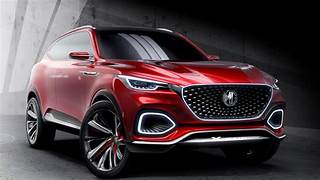
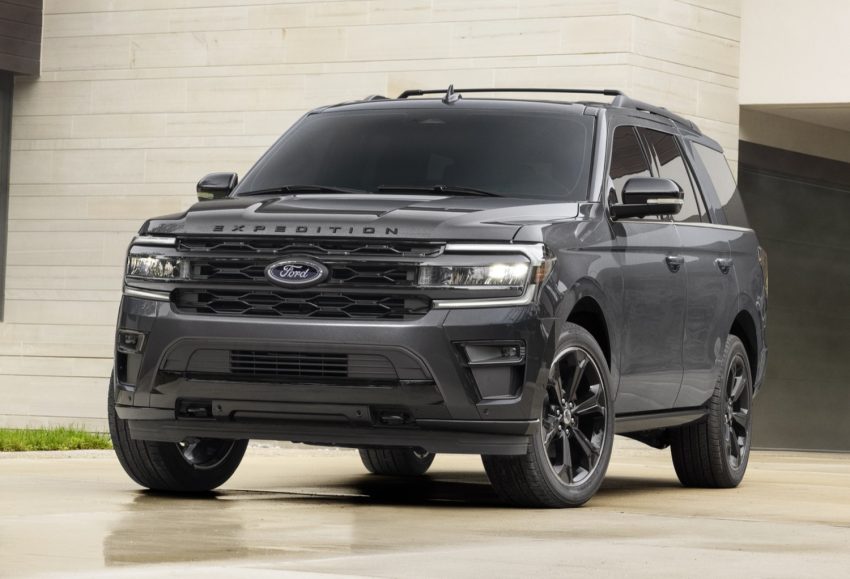
 The automotive market continues to challenge consumers with persistently elevated vehicle prices, defying earlier predictions of significant price corrections. Despite widespread expectations that car costs would eventually normalize following pandemic-era disruptions, both new and used vehicle markets maintain price levels that strain household budgets across the nation. Understanding the complex factors preventing anticipated price drops requires examining multiple interconnected economic forces, supply chain realities, and shifting market dynamics that collectively sustain today’s elevated automotive pricing environment.
The Current State of Vehicle Pricing
Automotive prices have remained stubbornly high throughout recent years, leaving many potential buyers waiting on the sidelines for relief that hasn’t materialized. The average transaction price for new vehicles continues hovering near historically elevated levels, while used car values, though slightly moderated from peak levels, remain substantially higher than pre-pandemic benchmarks. This sustained pricing pressure affects millions of Americans who need reliable transportation for work, family obligations, and daily life.
Industry analysts initially projected that vehicle prices would experience meaningful declines as supply chains recovered and production normalized. However, these optimistic forecasts have consistently proven premature. The automotive market demonstrates remarkable resistance to downward price pressure, frustrating consumers who postponed purchases hoping for better deals that never arrived.
Supply Chain Challenges Continue Affecting Production
Manufacturing disruptions that began during the pandemic continue reverberating throughout the automotive industry, though in evolved forms. While the most severe semiconductor shortages have eased, production capacity hasn’t fully recovered to pre-pandemic levels. Automakers face ongoing challenges securing various components, from wiring harnesses to specialized electronics, creating production bottlenecks that limit vehicle availability.
The global supply chain for automotive manufacturing involves thousands of suppliers across dozens of countries. When disruptions affect even small component suppliers, the ripple effects can halt entire production lines. Manufacturers have responded by implementing more conservative production planning, prioritizing higher-margin vehicles, and maintaining leaner inventories—all factors contributing to sustained pricing power.
Additionally, the transition toward electric vehicle production requires significant capital investment and manufacturing retooling. Many automakers are allocating resources toward developing EV capabilities rather than maximizing internal combustion engine vehicle production. This strategic shift affects overall vehicle availability and supports premium pricing for conventional vehicles still in high demand.
Interest Rate Impact on Affordability
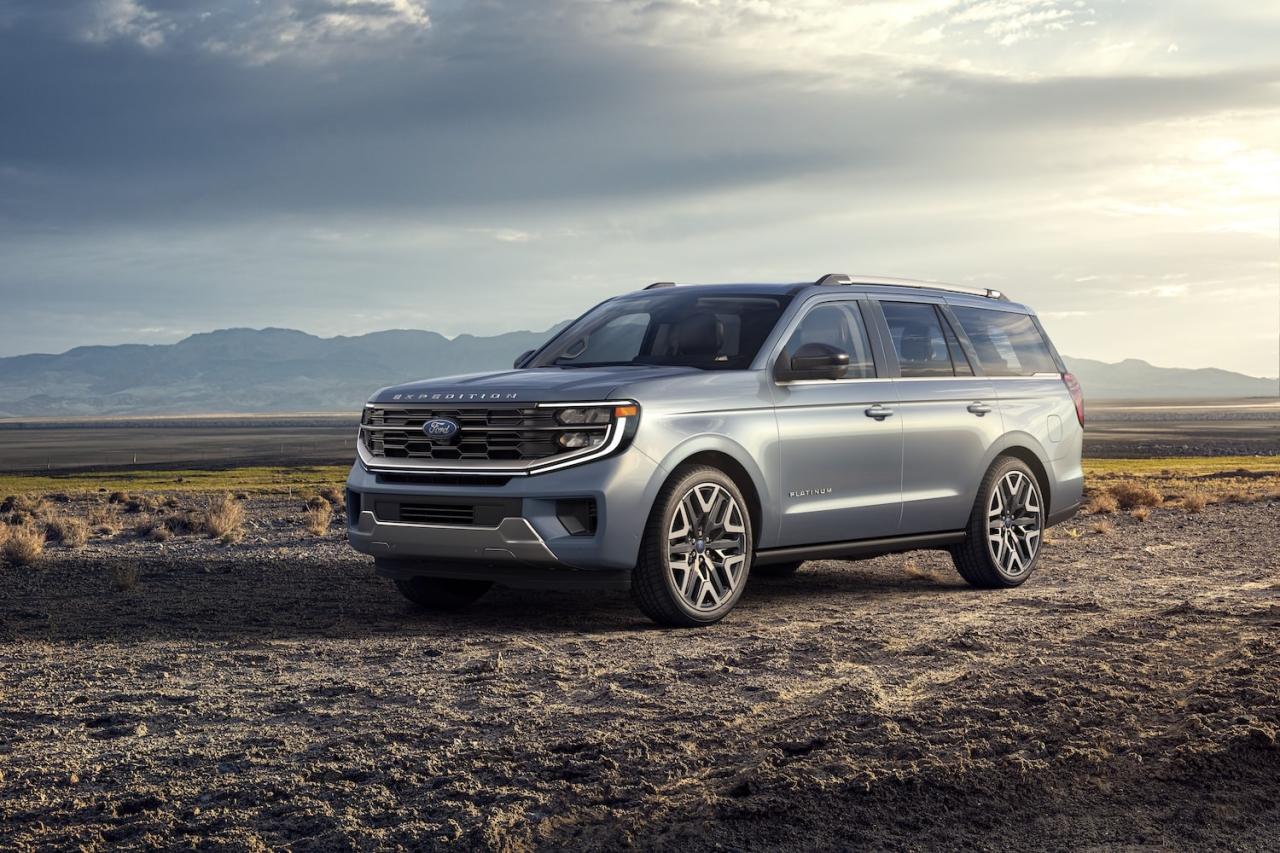
Rising interest rates have fundamentally altered vehicle affordability calculations for consumers relying on financing. The Federal Reserve’s aggressive rate increases to combat inflation have cascaded through the auto lending market, dramatically raising monthly payment costs even when vehicle prices remain stable. Many buyers now face monthly payments hundreds of dollars higher than they would have paid for identical vehicles just two years earlier.
Higher financing costs effectively increase the total ownership expense of vehicles substantially. A buyer financing a thirty-thousand-dollar vehicle at current rates may pay several thousand dollars more in interest over the loan term compared to the low-rate environment of previous years. This financing reality squeezes household budgets and forces many consumers to compromise on vehicle features,延迟 purchases, or extend loan terms to undesirable lengths.
The elevated rate environment also affects lease pricing, as lease payments reflect both the vehicle’s depreciation and the financing cost. Consequently, leasing—traditionally an option for accessing vehicles with lower monthly payments—has become considerably less attractive, further limiting consumer options for managing automotive expenses.
Dealership Inventory Dynamics
The relationship between inventory levels and pricing power significantly influences consumer costs. Many dealerships continue operating with leaner inventories than traditional business models maintained. Lower inventory reduces the pressure on dealers to discount vehicles to clear aging stock, allowing them to maintain firmer pricing discipline.
This inventory situation also shifts negotiating dynamics in favor of sellers. When consumers have limited choices and fewer vehicles to compare on dealer lots, their bargaining position weakens substantially. Dealers can maintain asking prices closer to manufacturer suggested retail prices without the aggressive discounting that characterized pre-pandemic markets where lot crowding necessitated competitive pricing.
Furthermore, the direct-to-consumer sales model adopted by some manufacturers, particularly electric vehicle makers, has eliminated traditional dealer markup negotiations entirely for certain brands. While this approach promotes pricing transparency, it also removes opportunities for negotiation-savvy buyers to secure below-MSRP deals that were once commonplace.
Used Vehicle Market Pressures
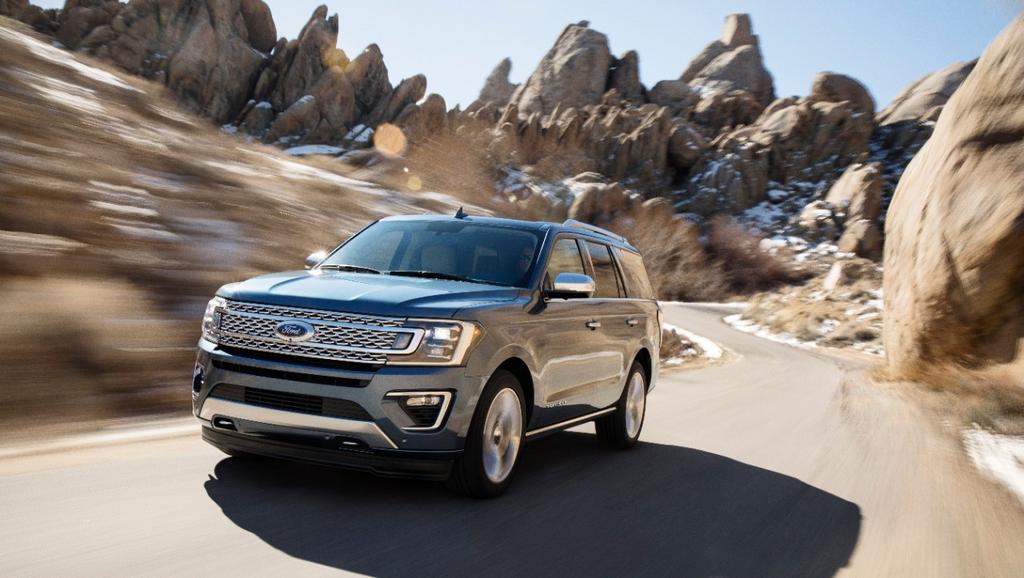
The used car market traditionally provides more affordable alternatives for budget-conscious buyers, but this segment has experienced its own sustained price elevation. Several factors contribute to persistent used vehicle pricing strength that defies historical depreciation patterns.
A. Limited Trade-In Volume: Fewer new car purchases during supply-constrained periods meant fewer trade-ins entering the used market, constricting supply of quality pre-owned vehicles.
B. Extended Vehicle Lifespan: Modern vehicles’ improved reliability means cars remain in service longer, reducing the flow of serviceable used vehicles reaching the secondary market.
C. Rental Fleet Retention: Rental car companies, which historically supplied significant used vehicle inventory through regular fleet rotation, retained vehicles longer during shortages, removing a major supply source from the market.
D. Wholesale Auction Dynamics: Competition among used car dealers at wholesale auctions remains intense, bidding up acquisition costs that ultimately translate to higher retail prices for consumers.
E. Consumer Demand Shifts: Economic uncertainty drives some buyers toward used vehicles as more affordable alternatives, increasing demand pressure on limited inventory.
The combination of these factors creates a used vehicle market where three-to-five-year-old vehicles retain valuations that would have seemed extraordinary just several years ago. Depreciation curves have flattened significantly, benefiting sellers but challenging buyers seeking value in the pre-owned segment.
Manufacturing Strategy Shifts
Automakers have fundamentally reassessed production and inventory strategies following pandemic-era disruptions. Rather than returning to previous high-volume, lower-margin approaches, many manufacturers now prioritize producing vehicles with higher profit margins and maintaining tighter inventory control.
This strategic pivot means manufacturers produce fewer base-model, entry-level vehicles and focus production capacity on better-equipped, higher-priced variants. The average vehicle now includes more standard features and technology, but this content increase comes with corresponding price elevation. Budget-conscious consumers seeking basic, no-frills transportation find fewer options meeting their needs.
Additionally, the shift toward electric and hybrid powertrains requires substantial investment in new manufacturing capabilities. These development costs factor into vehicle pricing across product lines, as manufacturers seek to recoup research and development expenses while building new production infrastructure. The automotive industry is essentially financing a technological revolution, and consumers bear significant portions of these transition costs through vehicle prices.
Economic Factors Supporting Sustained Prices
Broader economic conditions create an environment where vehicle prices find support despite affordability concerns. Consumer savings accumulated during pandemic-era stimulus programs, though largely depleted, provided initial cushioning that allowed elevated prices to establish. Additionally, the employment market’s relative strength means many households maintain income supporting vehicle purchases despite high prices.
Inflation throughout the economy affects automotive costs through multiple channels. Raw material costs for steel, aluminum, and precious metals used in catalytic converters and electronics have increased substantially. Labor costs for manufacturing workers have risen as companies compete for talent in tight labor markets. Transportation and logistics expenses remain elevated compared to historical norms. These input cost increases propagate through the manufacturing chain to final vehicle prices.
Furthermore, insurance costs for vehicles have surged, reflecting increased repair expenses for modern cars equipped with sophisticated technology and driver-assistance systems. This insurance inflation adds to total ownership costs beyond the purchase price itself, further straining household budgets allocated for transportation.
Consumer Behavior and Market Dynamics
Market psychology plays an often-underestimated role in sustaining elevated pricing. Once consumers accept a new pricing baseline, reversing those expectations becomes challenging. Buyers who initially resisted high prices but eventually purchased vehicles at elevated levels validate those prices and establish new market norms.
The phenomenon of “FOMO” (fear of missing out) also influences buyer behavior. Consumers worried that prices might increase further, or that desired vehicles might become unavailable, sometimes make purchase decisions at unfavorable prices rather than risk being priced out entirely. This behavior provides support for sustained pricing even as some economic indicators might suggest softening demand.
Social comparison effects additionally factor into vehicle purchasing decisions. As neighbors, colleagues, and family members acquire new vehicles, social pressure to maintain comparable transportation standards influences buying behavior. This dynamic supports sustained demand even at elevated price levels, particularly for popular models and vehicle segments.
Regional Market Variations
Vehicle pricing dynamics vary considerably across different geographic markets. Urban areas with robust public transportation alternatives may see softer demand for personal vehicles, while rural and suburban markets where car ownership remains essential maintain stronger pricing. Regional economic conditions, local employment situations, and climate factors affecting vehicle preferences all create pricing variations across the country.
Certain markets experience particularly acute inventory shortages for specific vehicle types. Pickup trucks remain in high demand in regions with substantial construction and agricultural industries. All-wheel-drive vehicles command premiums in areas with challenging winter weather. These regional preferences and needs create pricing inefficiencies that sustain elevated costs in specific markets even as national averages might show modest softening.
Future Outlook and Price Trajectory
Predicting when meaningful vehicle price relief will arrive requires considering multiple evolving factors. Production capacity continues gradually improving as supply chains stabilize and manufacturers complete facility expansions. However, the transition toward electric vehicles complicates production planning and capacity utilization.
Interest rate trajectories significantly influence affordability independent of vehicle prices themselves. Should the Federal Reserve eventually reduce rates as inflation moderates, monthly payment affordability would improve even without substantial price declines. However, rate reduction timing remains uncertain and dependent on broader economic conditions.
Consumer demand sustainability represents another crucial variable. Should economic conditions weaken substantially, reduced demand could finally pressure prices downward. However, automotive purchases often prove relatively resilient during economic slowdowns, as vehicle replacement frequently represents necessity rather than discretionary spending.
Strategies for Navigating High Vehicle Prices
Consumers facing today’s challenging automotive market can employ several strategies to optimize their vehicle acquisition approach despite sustained high prices:
A. Timing Flexibility: Buyers without immediate urgency can monitor market conditions for periodic softening, particularly at model-year changeovers or during traditionally slower sales periods.
B. Expanded Search Radius: Willingness to travel to purchase vehicles from markets with better inventory availability or pricing can yield meaningful savings.
C. Alternative Segments: Considering vehicle types outside initial preferences might reveal better value propositions, as pricing pressure varies across segments.
D. Certified Pre-Owned Programs: Manufacturer-certified used vehicles offer warranty protection and quality assurance that can provide better value than new vehicles for certain buyers.
E. Negotiation Preparation: Thorough research of pricing across multiple dealers and understanding true market values strengthens negotiating positions even in seller-favorable markets.
F. Total Cost Analysis: Evaluating insurance, fuel, and maintenance costs alongside purchase price provides complete affordability pictures that might favor different vehicle choices.
G. Financing Optimization: Shopping among multiple lenders for optimal interest rates and loan terms can significantly impact total ownership costs.
Long-Term Market Transformation
The automotive market is experiencing fundamental structural changes extending beyond temporary pandemic-related disruptions. The industry’s electrification trajectory, evolving retail models, and changing consumer preferences regarding vehicle ownership versus alternative transportation modes all contribute to a market in profound transition.
Traditional assumptions about vehicle depreciation, ownership cycles, and pricing dynamics may not fully apply to an automotive landscape increasingly dominated by electric vehicles with different total cost of ownership profiles. Battery technology improvements, charging infrastructure expansion, and evolving government incentives create complexity in predicting future pricing trajectories.
Additionally, the emergence of subscription services, enhanced ride-sharing options, and improved public transportation in some markets presents alternatives to traditional vehicle ownership. These options may absorb some demand pressure, particularly among younger consumers less attached to personal vehicle ownership as previous generations.
Conclusion
Vehicle prices remain elevated due to a complex interplay of supply constraints, strategic manufacturing shifts, financing cost increases, and sustained consumer demand. While many buyers hoped for significant price corrections that would restore pre-pandemic affordability levels, multiple structural factors suggest that substantial, rapid price declines remain unlikely in the near term.
Understanding these dynamics helps consumers make informed decisions in a challenging market environment. Rather than indefinitely postponing necessary vehicle purchases waiting for price crashes that may not materialize, buyers benefit from realistic market assessment, thorough research, and strategic approach to vehicle acquisition.
The automotive market will continue evolving as supply chains fully stabilize, production capacity expands, and the industry’s electric vehicle transition progresses. However, expecting a return to previous pricing paradigms may prove unrealistic given fundamental changes in manufacturing strategy, consumer preferences, and the broader economic environment. Adapting to this new automotive reality, while employing smart shopping strategies, offers consumers the best path forward in navigating today’s challenging vehicle market landscape.