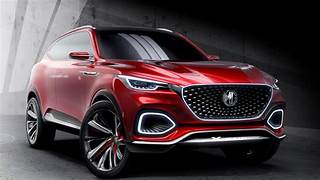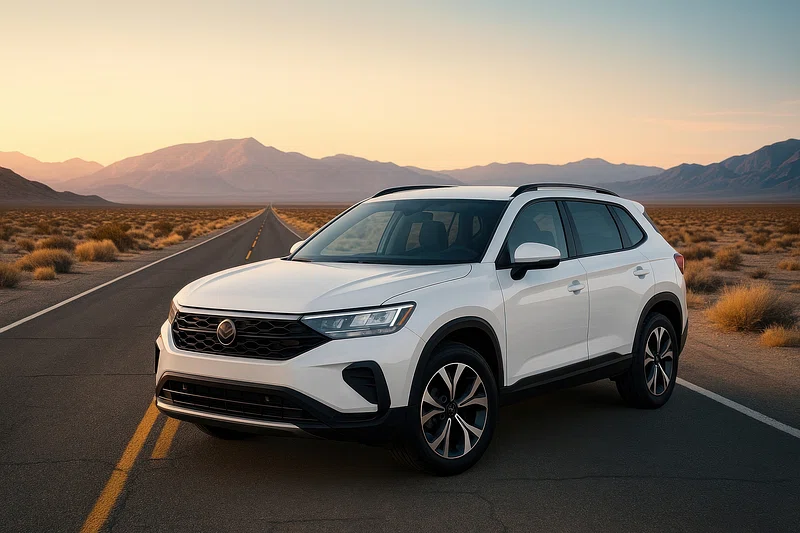
The automotive industry is experiencing a seismic transformation as battery-powered sport utility vehicles capture unprecedented market share and redefine consumer expectations. This shift represents more than incremental progress—it signals a fundamental reimagining of personal transportation priorities combining environmental responsibility with practical versatility.
Market Expansion Defies Expectations
The global marketplace for electrified SUVs continues accelerating beyond industry projections. Market analysts project the electric SUV sector will expand from $361.35 billion in 2025 to $596.81 billion by 2030, reflecting consistent annual growth above 10%. This remarkable trajectory demonstrates sustained consumer confidence despite economic headwinds and transitional challenges.
North American sales patterns reveal particularly strong momentum. Over 1.2 million new light-duty electric vehicles were sold in the United States through the first three quarters of 2025, with the EV market share reaching nearly 12% in Q3. These figures represent historic highs and underscore genuine consumer demand rather than temporary enthusiasm.
Regional variations paint an illuminating picture of adoption patterns. In Q1 2025, electric SUVs accounted for 10.5% of new retail SUV registrations, with California representing 30.7% of those registrations. This geographic concentration highlights infrastructure and policy factors driving early adoption while suggesting significant untapped potential in other regions.
Technology Breakthroughs Drive Performance
Battery innovation stands as the cornerstone enabling mainstream electric SUV adoption. Lithium-ion battery prices dropped 20% to $115 per kilowatt-hour in 2024, approaching cost parity with traditional gasoline SUVs and strengthening fleet buyer confidence. This price deflation eliminates a primary barrier that previously limited electric vehicle accessibility to premium market segments.
Next-generation battery architectures promise even more dramatic improvements. Solid-state batteries under development could increase energy density by 50% or more while offering faster charging and improved safety through stable solid electrolytes. Major manufacturers including Toyota, BMW, and Hyundai target limited commercial deployment between 2026 and 2028, potentially revolutionizing range and charging experiences.
Alternative battery chemistries address supply chain vulnerabilities and cost pressures. Lithium iron phosphate batteries, already deployed in many Tesla and BYD vehicles, deliver longer lifespan and enhanced sustainability at lower cost points. These technological alternatives ensure continued progress independent of constrained mineral supplies.
Charging infrastructure improvements complement battery advances. Major automakers and governments invest heavily in expanding fast-charging networks across key regions, enabling quicker long-distance travel as private networks open to all vehicle brands. This infrastructure buildout addresses range anxiety—historically a significant purchase deterrent.
Diverse Product Portfolio Emerges
Contemporary electric SUV offerings span remarkable breadth in size, capability, and price positioning. Compact models target urban environments and cost-conscious buyers, while full-size variants deliver luxury, performance, and maximum utility for families and enthusiasts.
Affordable options democratize electric mobility. The Chevrolet Equinox EV exemplifies value-oriented strategies, delivering substantial range and advanced features at accessible price points below traditional premium electric vehicles. This democratization expands the addressable market beyond early adopters to mainstream consumers prioritizing practicality.
Performance variants challenge traditional automotive hierarchies. The Hyundai Ioniq 5 N delivers 641 horsepower with all-wheel-drive and comprehensive suspension and chassis upgrades, ranking among the most enjoyable vehicles in the current market. These high-performance models demonstrate that electrification enhances rather than compromises driving dynamics.
Luxury manufacturers introduce flagship models blending sophistication with sustainability. The Lucid Gravity showcases this convergence, offering seating for seven passengers, estimated range exceeding 440 miles, and performance rivaling dedicated sports cars. Such vehicles redefine premium transportation expectations while validating electric powertrains in the most demanding applications.
Traditional truck manufacturers electrify popular nameplates. Ford, Jeep, and other established brands leverage existing customer loyalty while meeting evolving environmental expectations. This strategy preserves brand equity while expanding into growth markets.
Manufacturing Dynamics Reshape Competition
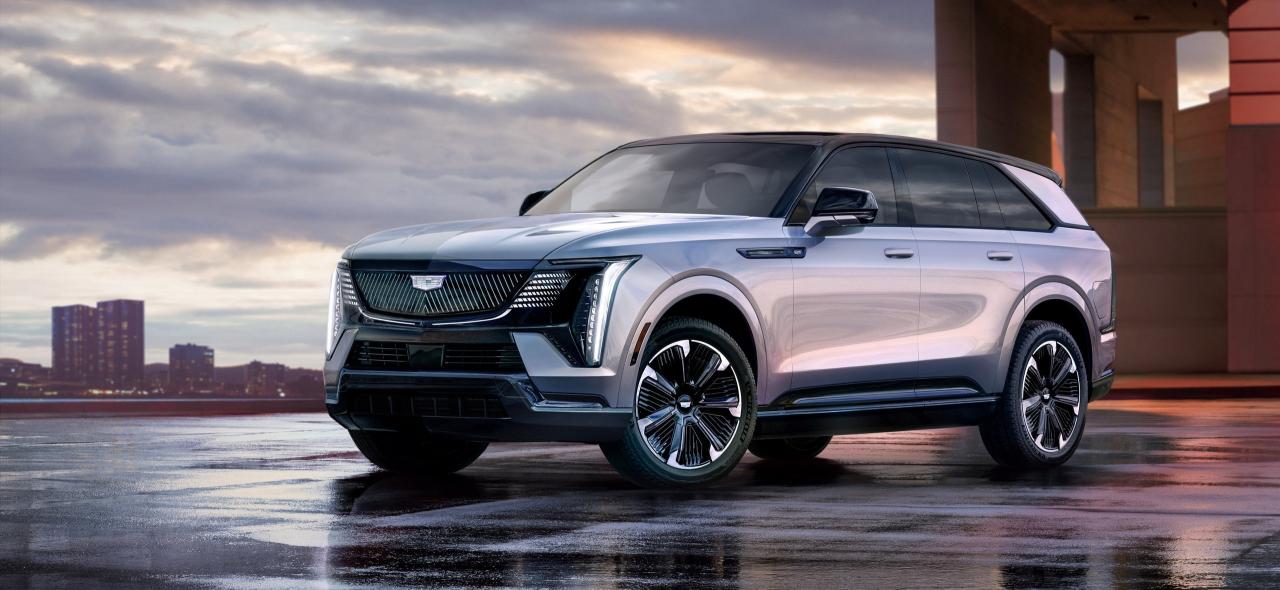
Asian manufacturers particularly from China command significant structural advantages. Chinese producers benefit from vertically integrated supply chains and diverse product ranges, intensifying competition with Western automakers through rapid multi-size product rollouts. This vertical integration enables faster innovation cycles and aggressive pricing strategies.
Established Western automakers respond with substantial investments. GM and Hyundai each offered only three EV models in 2015, but by 2025 provide 14 and 15 electric vehicle models respectively, with sales growing significantly alongside expanded model availability. This portfolio expansion demonstrates commitment to electrification despite near-term profitability pressures.
Startup manufacturers challenge incumbents through innovative approaches. Companies like Rivian and Lucid leverage clean-sheet designs unencumbered by legacy constraints, introducing novel features and user experiences that resonate with technology-focused consumers seeking differentiation.
Production capacity expansion accelerates globally. Major manufacturers invest billions establishing dedicated electric vehicle platforms and battery manufacturing facilities. These investments reflect long-term strategic commitments despite fluctuating quarterly demand signals.
Consumer Preferences Drive Design Evolution
Practical considerations dominate purchase motivations. SUVs naturally provide generous passenger space, ample cargo capacity, and elevated ground clearance—attributes highly valued by families and active lifestyle enthusiasts. Electric powertrains preserve these utilitarian benefits while eliminating emissions and reducing operating costs.
Safety consciousness influences segment preference. Elevated ride height and substantial curb weight inherent to SUV design deliver enhanced occupant protection—particularly important for buyers prioritizing family security. This inherent advantage sustains SUV popularity across demographic segments.
Resale value considerations factor prominently in purchase decisions. Electric SUVs from established brands demonstrate stronger residual values compared to sedans or compact electric vehicles, making them smarter long-term financial commitments. This value retention reflects sustained marketplace demand.
Technology integration expectations continue rising. Modern electric SUVs feature advanced driver assistance systems, sophisticated infotainment platforms, and over-the-air update capabilities matching or exceeding premium smartphone experiences. These digital capabilities attract younger demographics and technology enthusiasts.
Regulatory Environment Accelerates Adoption
Government policies substantially influence marketplace dynamics. Stricter CO₂ regulations, corporate electrification targets, and fast-charging network expansion drive demand, though mineral supply challenges and rural charging gaps present obstacles. These regulatory frameworks create both opportunities and constraints shaping industry strategy.
Incentive programs reduce consumer acquisition costs. Tax credits, rebates, and special financing programs lower ownership barriers, though recent federal incentive changes introduce uncertainty. State and local programs partially offset federal policy shifts while reflecting regional environmental priorities.
Fleet emission standards compel manufacturer compliance. European regulations imposing severe penalties for exceeding carbon intensity thresholds virtually mandate zero-emission vehicle offerings for high-volume SUV sellers. These mandates accelerate product development timelines regardless of immediate profitability.
Infrastructure investment policies enable practical daily use. Public funding for charging networks addresses chicken-and-egg adoption challenges, providing confidence for buyers concerned about charging availability beyond home locations.
Market Segmentation Reveals Opportunities
Compact electric SUVs captured dominant market position. The compact SUV segment commanded 53.98% of global revenue in 2023, experiencing significant popularity surge driven by appealing design and improved efficiency. Models including Hyundai IONIQ 5, Kia EV6, and Ford Mustang Mach-E exemplify this category’s appeal.
Mid-size variants balance capability with accessibility. These offerings provide additional passenger and cargo space while maintaining reasonable pricing and efficiency. This segment attracts families requiring versatility without full-size vehicle complexity or cost.
Full-size electric SUVs register fastest growth trajectory. Full-size electric SUVs advance at 11.56% annual growth through 2030 as luxury buyers demand long-range, high-capability models. This premium segment prioritizes maximum utility, commanding higher margins that fund continued innovation.
Geographic markets display distinct characteristics. Asia-Pacific leads the global electric SUV market as battery-electric models surge, charging networks expand, and consumer demand shifts toward premium offerings. Regional preferences influence product planning and distribution strategies.
Competitive Landscape Intensifies
Leading manufacturers consolidate positions while newcomers disrupt. Tesla maintains significant mindshare despite growing competition, leveraging charging network access and brand recognition. Traditional manufacturers including Hyundai, Kia, Ford, and Volkswagen introduce compelling alternatives matching or exceeding Tesla benchmarks.
Premium brands elevate segment standards. Mercedes-Benz, BMW, Audi, and Porsche introduce electric SUVs delivering signature brand experiences while embracing electrification. These offerings validate electric powertrains in luxury segments while commanding premium pricing.
Chinese manufacturers expand global footprint. BYD and other Asian producers combine aggressive pricing with respectable specifications, targeting value-conscious consumers in developing markets. This competitive pressure forces incumbent manufacturers to optimize cost structures.
Startup manufacturers target niches. Companies like Rivian emphasize adventure capability while Lucid pursues luxury performance. These specialized strategies avoid direct confrontation with established brands while cultivating devoted customer bases.
Charging Infrastructure Reaches Critical Mass
Public charging networks achieve functional coverage in major markets. Thousands of fast-charging stations enable long-distance travel across primary corridors, addressing historical range concerns that deterred potential buyers from considering electric vehicles.
Tesla Supercharger network opens to competitors. 2025 models gain NACS ports providing access to Tesla’s Supercharger network without adapters, dramatically expanding charging options for non-Tesla vehicles. This interoperability breakthrough eliminates a significant Tesla competitive advantage while benefiting entire industry.
Charging speed improvements reduce dwell times. Next-generation charging stations deliver power exceeding 350 kilowatts, enabling partial charges in minutes rather than hours. These capabilities make electric vehicles practical for road trips and commercial applications requiring rapid turnaround.
Home charging simplifies daily operation. Level 2 residential charging equipment provides convenient overnight charging for daily commuting needs, eliminating routine fueling stops entirely. This convenience factor represents significant lifestyle improvement for owners with home charging access.
Economic Factors Influence Purchase Decisions
Total cost of ownership calculations favor electric vehicles. Despite higher initial purchase prices, reduced fuel and maintenance expenses deliver attractive lifetime savings. Electricity costs substantially below gasoline prices on per-mile basis while electric powertrains require minimal scheduled maintenance.
Fleet operators embrace electrification economics. Lease companies report significant increase in electric SUV quote requests during 2024, driven by four-year breakeven points in total cost of ownership. Predictable operating costs and favorable residual values make electric SUVs attractive for commercial applications.
Insurance and financing considerations evolve. Carriers develop rate structures reflecting electric vehicle safety profiles and repair costs. Specialized financing products address unique ownership characteristics including battery warranties and charging infrastructure.
Depreciation patterns stabilize as market matures. Early electric vehicles experienced concerning depreciation due to rapid technological improvements rendering older models obsolete. Current vehicles demonstrate better value retention as technology plateaus and used electric vehicle markets develop.
Environmental Benefits Drive Mission-Conscious Buyers
Zero direct emissions appeal to environmentally aware consumers. Electric SUVs produce no tailpipe emissions during operation, significantly reducing urban air pollution and greenhouse gas contributions. This environmental advantage motivates purpose-driven purchases beyond pure economics.
Renewable energy integration amplifies sustainability. Electric vehicles charged from solar, wind, or hydroelectric sources achieve near-zero lifecycle emissions. This compatibility with clean energy infrastructure aligns with broader decarbonization objectives.
Manufacturing footprint receives increasing scrutiny. Battery production and vehicle assembly generate environmental impacts requiring consideration. Industry invests in sustainable manufacturing processes and closed-loop material recycling to address these concerns.
End-of-life battery management emerges as priority. Automakers implement closed-loop systems reusing materials from old EVs to build new battery packs, supporting circular economy principles while reducing new mining requirements. These recycling initiatives address sustainability concerns while stabilizing material costs.
Software and Connectivity Define Modern Experience
Over-the-air updates enable continuous improvement. Electric SUVs receive software enhancements delivering new features and performance refinements without dealer visits. This smartphone-like capability maintains vehicle relevance throughout ownership lifecycle.
Advanced driver assistance systems enhance safety. Adaptive cruise control, lane keeping assistance, and automated emergency braking become standard features across price points. These technologies reduce accident frequency and severity while previewing autonomous capabilities.
Infotainment systems match consumer electronics expectations. Large touchscreens, voice recognition, and smartphone integration deliver intuitive interfaces rivaling premium mobile devices. These systems integrate navigation, entertainment, and vehicle controls through unified platforms.
Vehicle-to-grid capabilities introduce revenue opportunities. Bidirectional charging enables electric vehicles to supply power back to electrical grids during peak demand periods, potentially generating income for owners while supporting grid stability.
Future Developments Promise Continued Evolution
Solid-state battery commercialization approaches reality. Toyota announces solid-state battery introduction targeting 2027-2028, with reports suggesting 40-year lifespan—four times longer than current EV batteries—and over 621 miles single-charge range. These breakthrough capabilities would eliminate remaining practical limitations.
Autonomous driving technologies progress toward deployment. Advanced sensor suites and artificial intelligence enable increasingly sophisticated driver assistance. Full autonomy remains years away but incremental capabilities deliver measurable safety and convenience benefits.
Wireless charging simplifies user experience. Inductive charging pads in garages and roadways transmit power magnetically without physical connections, with dynamic charging potentially adding range while driving over wireless lanes. These technologies eliminate plugging inconvenience.
Alternative battery chemistries diversify supply chains. Sodium-ion batteries replace lithium with abundant low-cost sodium, with CATL and BYD investing in production for EVs and battery storage. These alternatives reduce dependence on constrained lithium supplies while potentially lowering costs.
Industry Challenges Require Strategic Responses
Mineral supply constraints threaten scaling. Lithium, cobalt, and nickel availability concerns raise questions about sustaining explosive growth rates. Industry pursues mining expansion, recycling initiatives, and alternative chemistries to mitigate supply vulnerabilities.
Charging infrastructure gaps persist in rural areas. Urban and suburban markets enjoy adequate charging networks but rural regions lack comprehensive coverage. Addressing this disparity requires continued investment and innovative deployment strategies.
Grid capacity limitations necessitate upgrades. Widespread electric vehicle adoption strains electrical distribution infrastructure in some regions. Utilities invest billions modernizing grids to accommodate increased demand while managing peak loads.
Consumer education remains ongoing necessity. Misconceptions about range, charging times, and total cost of ownership persist despite improving realities. Industry must continue educating potential buyers on contemporary electric vehicle capabilities.
Strategic Recommendations for Stakeholders
Manufacturers should prioritize portfolio diversification across segments and price points. Offering vehicles spanning affordable compact models through premium full-size variants captures maximum addressable market while reducing dependence on single segments.
Dealers must develop electric vehicle expertise and infrastructure. Sales staff require training on electric powertrains, charging solutions, and total cost of ownership calculations. Service departments need specialized equipment and technician certification for high-voltage systems.
Policymakers should maintain supportive regulatory frameworks. Consistent incentives and emissions standards provide investment certainty enabling long-term strategic planning. Infrastructure funding accelerates network deployment reducing adoption barriers.
Consumers benefit from thorough research and test driving. Electric SUVs vary substantially in driving dynamics, charging capabilities, and feature sets. Direct comparison drives informed decisions matching individual requirements and preferences.
Conclusion: Transformation Gains Irreversible Momentum
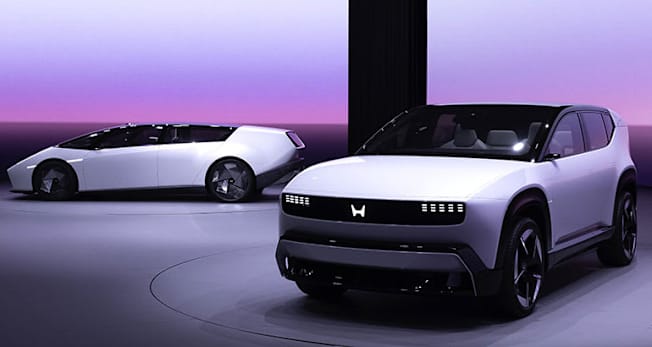
The electric SUV revolution transcends temporary trends to represent fundamental industry restructuring. Converging technological advances, environmental imperatives, and consumer preferences create powerful momentum sustaining continued growth despite inevitable near-term volatility.
More than 1.2 million new light-duty EVs sold through the first three quarters of 2025 exceed any prior year, with over 7 million EVs sold from 2015 to September 2025—more than half occurring in the past three years. This exponential acceleration demonstrates genuine market transformation rather than niche phenomenon.
Success requires sustained commitment from all stakeholders. Manufacturers must continue investing in product development and production capacity. Infrastructure providers must expand charging networks. Policymakers must maintain supportive frameworks. Consumers must embrace new technologies and ownership models.
The transition from internal combustion to electric powertrains represents the most significant automotive industry shift since the replacement of horse-drawn carriages. Electric SUVs lead this transformation, combining practical utility with environmental responsibility and technological innovation.
Organizations retreating from electrification commitments risk strategic obsolescence as global competitors capture market share and technological leadership. The decisions made today determine which companies lead the next automotive era and which become historical footnotes.
Electric SUVs dominate the 2025 automotive landscape not through mandates or subsidies alone, but because they deliver compelling value propositions addressing real consumer needs while advancing environmental objectives. This virtuous cycle ensures continued momentum toward sustainable transportation future.