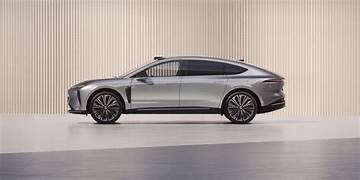
The automotive landscape has undergone a remarkable transformation in 2025, with electric sport utility vehicles emerging as the undisputed champions of the modern vehicle market. This comprehensive analysis explores how battery-powered SUVs have captured consumer imagination, reshaped industry dynamics, and set new standards for sustainable transportation.
The Rise of Electric SUVs in Today’s Automotive World
The year 2025 marks a pivotal moment in automotive history as electric SUVs have transcended their niche status to become mainstream powerhouses. These vehicles combine the practicality and spaciousness that families desire with cutting-edge electric technology that environmentally conscious consumers demand. The convergence of these factors has created a perfect storm of market conditions favoring electric SUVs over traditional gasoline-powered alternatives.
Consumer preferences have shifted dramatically toward vehicles that offer both utility and sustainability. Modern buyers are no longer willing to compromise between environmental responsibility and practical functionality. Electric SUVs answer this call by providing generous cargo space, elevated seating positions, advanced safety features, and zero-emission driving capabilities all wrapped into attractive packages that appeal to diverse demographics.
Why Electric SUVs Have Captured Market Leadership

Several interconnected factors explain the dominant position electric SUVs now hold in the 2025 automotive marketplace. Understanding these drivers provides insight into both current trends and future trajectories for the industry.
A. Technological Advancements in Battery Systems
Battery technology has reached a maturity level that makes electric SUVs genuinely competitive with conventional vehicles. Modern lithium-ion batteries and emerging solid-state alternatives deliver energy densities that enable realistic driving ranges exceeding 300 miles on single charges. This advancement eliminates the range anxiety that previously deterred potential buyers from considering electric options.
Fast-charging infrastructure has proliferated across urban centers, suburban areas, and highway corridors. Drivers can now replenish their batteries to 80 percent capacity in approximately 20 to 30 minutes at ultra-fast charging stations. This convenience factor narrows the gap between refueling experiences for electric and gasoline vehicles.
B. Economic Incentives and Total Cost of Ownership
Government policies worldwide continue supporting electric vehicle adoption through tax credits, purchase rebates, and registration fee waivers. These incentives significantly reduce the upfront acquisition costs that historically made electric SUVs financially prohibitive for average consumers.
Beyond initial purchase prices, electric SUVs offer compelling long-term economic advantages. Operating costs remain substantially lower than gasoline equivalents due to cheaper electricity versus fuel prices and reduced maintenance requirements. Electric powertrains contain fewer moving parts than internal combustion engines, eliminating expenses related to oil changes, transmission services, and exhaust system repairs.
C. Environmental Consciousness and Social Responsibility
Growing awareness of climate change has elevated environmental considerations in purchasing decisions. Consumers increasingly view their vehicle choices as statements about personal values and commitments to sustainable living. Electric SUVs enable buyers to reduce their carbon footprints while maintaining the lifestyle flexibility that utility vehicles provide.
Corporate environmental initiatives have also driven electric SUV adoption. Companies implementing fleet electrification programs favor SUVs for their versatility in serving multiple business functions while demonstrating organizational commitment to sustainability goals.
D. Performance Characteristics That Excite Drivers
Electric SUVs deliver exhilarating performance that surprises drivers accustomed to conventional vehicles. Instant torque from electric motors provides rapid acceleration that rivals sports cars, making highway merging and passing maneuvers effortless. The low center of gravity created by floor-mounted battery packs enhances handling dynamics, giving electric SUVs surprisingly agile road manners despite their size.
Advanced all-wheel-drive systems using independent electric motors for front and rear axles offer precise power distribution that improves traction in challenging weather conditions. These capabilities make electric SUVs particularly appealing in regions experiencing harsh winters or frequent precipitation.
Leading Electric SUV Models Defining the 2025 Market

The competitive landscape features numerous compelling electric SUV options across various price segments and capability levels. Examining the standout models reveals the diversity and sophistication now available to consumers.
A. Premium Segment Performers
Luxury automakers have invested heavily in electric SUV development, producing vehicles that combine opulent interiors with advanced electric drivetrains. These premium offerings feature cutting-edge autonomous driving capabilities, sophisticated infotainment systems, and exclusive materials that justify their elevated price points.
High-end electric SUVs typically deliver ranges approaching or exceeding 400 miles, eliminating any practical limitations for daily driving or weekend road trips. Performance variants offer staggering acceleration figures, with some models reaching 60 miles per hour in under three seconds while maintaining the practicality expected from utility vehicles.
B. Mid-Range Market Leaders
The sweet spot in electric SUV sales resides in the mid-market segment where mainstream manufacturers offer well-equipped vehicles at accessible price points. These models balance range, features, and affordability to appeal to the broadest consumer base.
Mid-range electric SUVs typically provide 280 to 350 miles of driving range, adequate for most daily commuting patterns and weekend activities. Standard equipment levels include advanced driver assistance systems, premium audio systems, and smartphone integration that meets modern connectivity expectations.
C. Compact Electric SUVs for Urban Environments
Smaller electric SUVs have gained traction in densely populated urban areas where parking space comes at a premium and daily driving distances remain modest. These compact models offer maneuverability advantages while retaining the elevated seating position and cargo versatility that define the SUV category.
Urban-focused electric SUVs emphasize efficiency over raw range, typically offering 200 to 250 miles per charge. Their smaller battery packs reduce weight and cost while providing sufficient capacity for city driving patterns. Quick charging capabilities ensure that urban drivers can replenish their batteries during short stops at shopping centers or workplace charging stations.
D. Adventure-Ready Electric SUVs
A growing subset of electric SUVs targets outdoor enthusiasts seeking vehicles capable of handling off-road adventures while maintaining zero-emission credentials. These rugged models feature enhanced ground clearance, skid plate protection, and sophisticated terrain management systems.
Adventure electric SUVs demonstrate that battery power and backcountry capability need not be mutually exclusive. Their instant torque delivery provides excellent low-speed rock crawling performance, while regenerative braking systems offer improved control during steep descents. Auxiliary power outlets enable camping equipment operation, making these vehicles genuine basecamp solutions for outdoor recreation.
Infrastructure Development Supporting Electric SUV Growth
The electric SUV market expansion relies fundamentally on robust charging infrastructure that provides convenient power access wherever drivers travel. Significant investments in charging networks have accelerated throughout 2025, addressing previous availability concerns.
A. Public Charging Network Expansion
Public charging stations have multiplied across retail locations, parking facilities, and highway rest areas. Major charging networks continue deploying fast-charging equipment capable of delivering 150 to 350 kilowatts of power, dramatically reducing charging session durations.
Strategic placement of charging stations along major travel corridors has eliminated range concerns for long-distance journeys. Drivers can now traverse continental distances in electric SUVs with charging stops comparable in frequency to traditional fuel stops.
B. Residential Charging Solutions
Home charging remains the preferred method for most electric SUV owners who benefit from convenient overnight charging in their garages or driveways. Level 2 charging equipment installation has become increasingly straightforward and affordable, with many utilities offering rebate programs that offset equipment and installation costs.
Smart charging systems enable owners to schedule charging during off-peak electricity rate periods, maximizing economic savings. Vehicle-to-home technology is emerging, allowing electric SUVs to serve as backup power sources during grid outages, adding value beyond transportation functionality.
C. Workplace and Destination Charging
Progressive employers recognize charging infrastructure as a valuable employee benefit that supports electric vehicle adoption. Workplace charging stations allow employees to replenish their batteries during business hours, effectively extending daily driving range without requiring home charging equipment.
Destination charging at hotels, restaurants, and entertainment venues transforms parking time into charging opportunities. This distributed charging model reduces dependency on dedicated charging stops, integrating power replenishment seamlessly into daily activities.
Environmental Impact and Sustainability Considerations
The environmental benefits of electric SUVs extend beyond their zero-emission operation, encompassing their entire lifecycle from manufacturing through end-of-life recycling.
A. Emissions Reduction Benefits
Electric SUVs produce no tailpipe emissions, eliminating local air pollution in urban environments where vehicle density concentrates conventional vehicle pollutants. This benefit particularly impacts air quality in residential neighborhoods and school zones where children face heightened vulnerability to respiratory issues.
When accounting for electricity generation emissions, electric SUVs demonstrate substantial carbon footprint advantages over gasoline equivalents, particularly in regions with clean energy grids. As renewable energy sources continue displacing fossil fuel power generation, the emissions benefits of electric vehicles will increase correspondingly.
B. Battery Production and Recycling
Manufacturing batteries requires significant energy inputs and mining operations that raise environmental concerns. However, industry initiatives are addressing these challenges through improved mining practices, increased use of recycled materials, and development of alternative battery chemistries that reduce dependence on controversial minerals.
Battery recycling programs are maturing rapidly, with facilities capable of recovering over 95 percent of valuable materials from end-of-life batteries. These recovered materials can be reprocessed into new batteries, creating closed-loop systems that minimize environmental impact while reducing raw material demands.
C. Renewable Energy Integration
Electric SUVs serve as enabling technology for renewable energy adoption by providing flexible electricity demand that can absorb solar and wind power during high production periods. Smart charging systems can respond to grid signals, concentrating charging activity when clean energy availability peaks.
Vehicle-to-grid technology under development will allow electric SUVs to return stored energy to electrical grids during peak demand periods, stabilizing grid operations while providing additional revenue streams for vehicle owners. This bidirectional power flow transforms electric SUVs from simple transportation devices into mobile energy storage assets.
Consumer Adoption Patterns and Demographics
Understanding who purchases electric SUVs and why provides valuable insights into market dynamics and future growth trajectories.
A. Early Adopter Characteristics
Initial electric SUV buyers typically exhibited higher income levels, advanced education, and strong environmental values. These early adopters accepted premium pricing and limited model availability in exchange for pioneering new technology that aligned with their sustainability commitments.
Tech-savvy consumers attracted to cutting-edge features and performance characteristics also comprised significant portions of early electric SUV demographics. These buyers appreciated the advanced technology integration and futuristic driving experiences that electric SUVs delivered.
B. Mainstream Market Penetration
As prices have decreased and model availability has expanded, electric SUV buyers increasingly mirror general automotive market demographics. Middle-income families seeking practical transportation solutions now represent growing proportions of electric SUV purchasers.
Geographic adoption patterns show electric SUVs gaining traction beyond traditional strongholds in coastal urban centers. Midwestern and southern regions are experiencing accelerating sales as charging infrastructure improves and consumer awareness increases.
C. Generational Preferences
Younger buyers demonstrate particularly strong preferences for electric SUVs, viewing them as logical choices that align with digital-native lifestyles and environmental consciousness. Millennials and Generation Z consumers prioritize technology integration and sustainability over traditional automotive attributes like engine sound and transmission feel.
Older demographics are also warming to electric SUVs as they experience the smooth, quiet operation and reduced maintenance hassles these vehicles provide. Retirees particularly appreciate the simplicity of home charging compared to gas station visits.
Challenges and Obstacles Facing Electric SUV Adoption
Despite impressive growth, electric SUVs still face hurdles that could slow market penetration if left unaddressed.
A. Charging Infrastructure Gaps
Rural areas and developing regions continue experiencing insufficient charging infrastructure that limits electric SUV practicality for residents without home charging capabilities. Addressing these gaps requires coordinated public and private investment in charging equipment deployment.
Apartment dwellers and urban residents without dedicated parking face particular challenges in accessing convenient charging. Multi-unit residential charging solutions remain underdeveloped in many markets, creating adoption barriers for significant population segments.
B. Price Premiums and Affordability
While prices continue declining, electric SUVs still command premiums over comparable gasoline vehicles. This price gap particularly impacts budget-conscious consumers for whom upfront costs outweigh long-term operating savings.
Used electric SUV markets remain immature, with limited inventory and uncertain battery degradation patterns creating hesitation among secondary market buyers. As the first generation of mass-market electric SUVs ages, establishing reliable used vehicle markets will be crucial for broadening accessibility.
C. Battery Technology Limitations
Current battery technology still imposes weight penalties that affect vehicle efficiency and performance. Heavier battery packs require more energy to accelerate and maintain speed, partially offsetting the efficiency advantages of electric powertrains.
Cold weather performance remains problematic, with battery capacity and charging speeds declining significantly in freezing temperatures. This limitation particularly impacts markets experiencing harsh winters where range reductions can exceed 30 percent during extreme cold.
Future Outlook for Electric SUV Market
The trajectory for electric SUVs points toward continued growth and technological advancement that will cement their market dominance.
A. Technology Developments on the Horizon
Solid-state batteries promise revolutionary improvements in energy density, charging speed, and safety. These next-generation batteries could enable 500-mile ranges with 10-minute charging times, eliminating any remaining practical disadvantages compared to gasoline vehicles.
Autonomous driving capabilities will transform electric SUVs into mobile living spaces where occupants work, relax, or sleep during journeys. This functionality particularly suits the spacious interiors and comfortable seating that SUVs provide.
B. Market Growth Projections
Industry analysts project electric SUVs will capture majority market share in the utility vehicle segment by 2030. This growth will be driven by expanding model offerings, improving price competitiveness, and increasingly stringent emissions regulations that make conventional vehicles less attractive.
Emerging markets represent significant growth opportunities as charging infrastructure develops and economic conditions improve. China, India, and Southeast Asian nations are positioned to become major electric SUV markets given their large populations and growing middle classes.
C. Industry Transformation
Traditional automakers face existential pressures to transition from internal combustion engines to electric powertrains. Companies failing to develop competitive electric SUV offerings risk irrelevance as consumer preferences shift decisively toward battery power.
New entrants focused exclusively on electric vehicles are disrupting established competitive dynamics, bringing fresh approaches to vehicle design, manufacturing, and customer relationships. This competition is accelerating innovation and improving product offerings across the industry.
Conclusion
Electric SUVs have definitively established themselves as the dominant force in the 2025 automotive market through a combination of technological advancement, economic competitiveness, and alignment with consumer values. These vehicles successfully merge the utility and practicality that buyers demand with the environmental sustainability that society requires.
The path forward promises continued growth as remaining barriers fall and technology improves. Electric SUVs are not merely a temporary trend but rather represent the fundamental future of personal transportation. Their success demonstrates that environmental responsibility and practical functionality need not be competing priorities but can instead complement each other in products that consumers enthusiastically embrace.
As charging infrastructure expands, battery technology advances, and prices decline, electric SUVs will become increasingly accessible to broader populations. This democratization of electric mobility will accelerate the transition toward sustainable transportation systems that reduce environmental impact while maintaining the personal freedom and convenience that vehicles provide.
The electric SUV revolution of 2025 will be remembered as the tipping point when battery-powered vehicles transitioned from alternative curiosities to mainstream necessities. The automotive industry’s transformation is well underway, with electric SUVs leading the charge toward a cleaner, quieter, and more sustainable transportation future.