The automotive industry has reached a significant milestone as electric sport utility vehicles now consistently deliver driving ranges exceeding 300 miles on a single charge. This achievement represents a fundamental shift in the electric vehicle landscape, addressing one of the primary concerns that previously deterred potential buyers: range anxiety.
The Evolution of Electric SUV Technology
Electric SUVs have historically struggled with range limitations compared to their sedan counterparts. The inherent design characteristics of SUVs—increased height, heavier weight, and less aerodynamic profiles—traditionally resulted in reduced efficiency and shorter driving distances. However, recent technological advancements have fundamentally transformed this narrative.
Manufacturing innovation and battery technology improvements have enabled automakers to overcome these physical constraints. Modern electric SUVs now incorporate sophisticated battery management systems, enhanced aerodynamics, and lightweight materials that collectively contribute to extended range capabilities. The breakthrough to 300-plus miles represents years of research, development, and engineering refinement across the automotive industry.
The significance of this achievement cannot be overstated. For years, electric vehicle critics pointed to limited range as a critical weakness, particularly for larger vehicles like SUVs. Today, numerous models exceed the 300-mile threshold, effectively eliminating this objection and making electric SUVs viable alternatives to traditional gasoline-powered vehicles for long-distance travel and family transportation needs.
Leading Electric SUVs Breaking Range Records
Premium Performance Models
Several luxury electric SUVs have emerged as range leaders in the marketplace. The BMW iX xDrive50 delivers an impressive combination of performance and efficiency, offering over 320 miles of EPA-estimated range while maintaining the sporty driving dynamics BMW is renowned for. This dual-motor all-wheel-drive configuration produces 516 horsepower, enabling acceleration from zero to sixty miles per hour in just 4.4 seconds while maintaining substantial range capability.
The Rivian R1S represents American engineering excellence in the electric adventure vehicle segment. This three-row electric SUV combines luxury, off-road capability, and impressive range figures. Models equipped with the Large battery pack achieve 314 miles of EPA-estimated range, while future versions featuring the Max pack are projected to exceed 400 miles. The R1S demonstrates that electric vehicles can successfully combine utility, performance, and extended range without compromise.
Cadillac’s Lyriq has emerged as General Motors’ flagship electric luxury crossover. The rear-wheel-drive configuration delivers 314 miles of EPA-estimated range, matching competitive offerings while providing the refined luxury experience Cadillac customers expect. The Lyriq showcases GM’s Ultium platform capabilities and represents the company’s commitment to electric vehicle leadership.
Mainstream Market Options
The Ford Mustang Mach-E continues evolving as a compelling mainstream electric SUV option. Despite initial skepticism about using the Mustang nameplate for an electric crossover, the Mach-E has proven itself as a first-rate electric vehicle. Select configurations achieve over 300 miles of range, making it practical for diverse driving scenarios from daily commuting to weekend road trips.
Honda’s Prologue represents the Japanese automaker’s significant entry into the electric vehicle market. Built on General Motors’ Ultium platform, the 2025 model year versions deliver over 300 miles of EPA-estimated range in rear-wheel-drive configurations. The Prologue’s 85-kilowatt-hour battery pack provides adequate capacity for extended driving while maintaining Honda’s reputation for reliability and practicality.
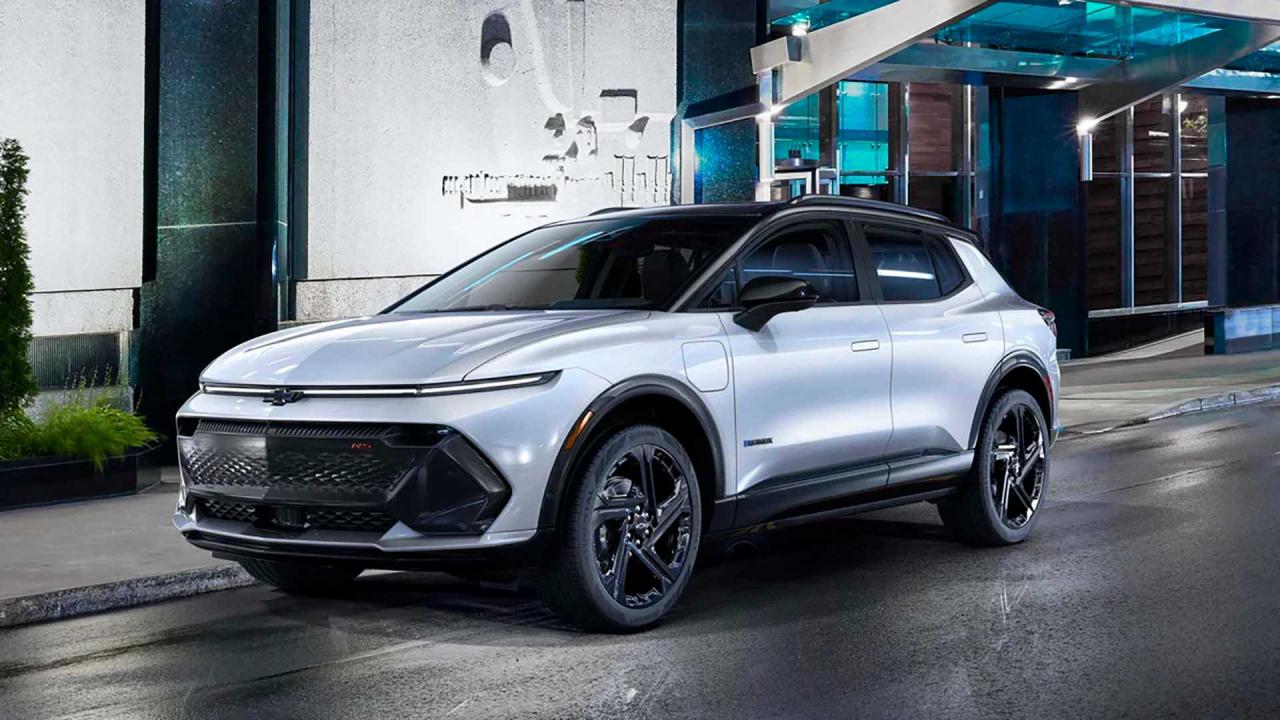
The Chevrolet Equinox EV demonstrates that impressive range need not come with premium pricing. This affordable electric SUV delivers competitive range figures while maintaining accessibility for budget-conscious consumers. The Equinox EV represents General Motors’ strategy to democratize electric vehicle technology, making extended-range electric transportation available to mainstream buyers.
Korean Innovation Leaders
Kia’s EV9 three-row electric SUV showcases Korean engineering prowess in the electric vehicle segment. Models equipped with the long-range battery pack achieve over 300 miles of EPA-estimated range despite the vehicle’s substantial size and three-row seating configuration. The EV9 demonstrates that large family vehicles can successfully transition to electric propulsion without sacrificing practicality or range.
The Hyundai Ioniq 5 has garnered significant attention for its distinctive retro-futuristic styling and impressive technical specifications. While technically classified as a crossover, the Ioniq 5 delivers competitive range figures and exceptional fast-charging capabilities. The vehicle can replenish its battery from ten to eighty percent in approximately eighteen minutes using compatible high-power charging infrastructure.
Battery Technology Driving Range Improvements
Advanced Cell Chemistry
Modern electric vehicle batteries utilize sophisticated lithium-ion cell chemistry optimized for energy density, longevity, and safety. Manufacturers have refined electrode materials, electrolyte formulations, and cell construction techniques to maximize energy storage capacity while minimizing weight and volume. These incremental improvements compound to deliver substantial range enhancements compared to earlier generation electric vehicles.
Battery pack sizes have grown considerably, with many contemporary electric SUVs incorporating batteries exceeding 75 kilowatt-hours of usable capacity. Some premium models feature packs approaching or exceeding 100 kilowatt-hours. However, increased capacity alone doesn’t explain the range improvements—enhanced efficiency throughout the entire vehicle system contributes significantly to extended driving distances.
Thermal management systems play crucial roles in maintaining battery performance across diverse environmental conditions. Sophisticated cooling and heating systems maintain optimal battery operating temperatures, preserving efficiency and extending pack longevity. These systems become particularly important in extreme climates where temperature variations can significantly impact battery performance and vehicle range.
Manufacturing Scale and Cost Reduction
As battery production volumes increase, manufacturing costs continue declining through economies of scale and process improvements. Lower battery costs enable manufacturers to incorporate larger capacity packs without proportionally increasing vehicle prices. This economic dynamic has accelerated the transition to longer-range electric vehicles across market segments.
Battery manufacturers have invested billions in production facilities worldwide, creating global supply chains that support accelerating electric vehicle adoption. These investments enable consistent quality, improved performance, and cost reductions that benefit consumers through enhanced vehicles at competitive price points.
Charging Infrastructure Evolution
Fast-Charging Capabilities
Modern electric SUVs support increasingly rapid charging speeds, with many models accepting 150 kilowatts or higher power levels from compatible charging stations. Some premium vehicles can accept charging rates exceeding 250 kilowatts, enabling battery replenishment from ten to eighty percent in under thirty minutes. These fast-charging capabilities transform long-distance electric vehicle travel from impractical to convenient.
The relationship between charging speed and battery capacity creates interesting dynamics for road trip planning. Vehicles with larger battery packs require longer absolute charging times to reach full capacity, but their extended ranges mean fewer charging stops. Conversely, smaller batteries charge faster but necessitate more frequent stops. Manufacturers balance these factors to optimize the overall travel experience.
Charging curve management represents sophisticated engineering that maximizes charging speed while protecting battery longevity. Modern vehicles dynamically adjust charging rates based on battery temperature, state of charge, and other factors. This intelligent management ensures optimal charging performance without compromising long-term battery health.
Expanding Network Accessibility
Public charging infrastructure continues expanding rapidly across North America, Europe, and other markets. Multiple networks now operate thousands of charging stations, making electric vehicle travel increasingly practical across diverse geographical regions. Highway corridors feature particularly dense charging station coverage, supporting long-distance electric vehicle travel.
Automakers increasingly recognize charging access as critical to customer satisfaction. Several manufacturers have established partnerships with charging networks or developed proprietary charging ecosystems. These initiatives ensure customers can reliably access charging infrastructure when traveling beyond their home charging capabilities.
Home charging remains the foundation of the electric vehicle ownership experience for most drivers. Level 2 home charging equipment can fully replenish typical electric SUV batteries overnight, ensuring vehicles start each day with full range. This convenience factor represents a significant advantage over conventional vehicles requiring visits to fuel stations.
Real-World Range Considerations
Environmental Impact Factors
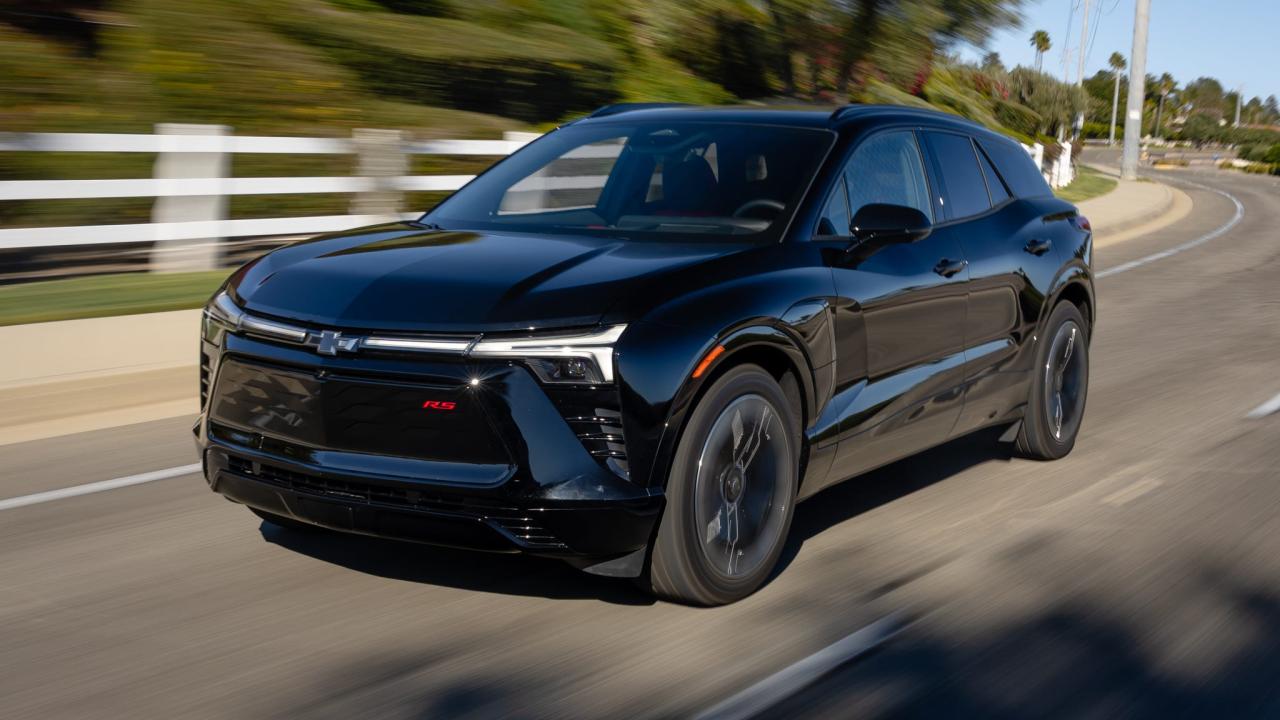
EPA range estimates provide standardized comparisons between vehicles, but real-world driving conditions significantly influence actual range achievement. Temperature represents the most substantial variable affecting electric vehicle range. Cold weather reduces battery efficiency and increases cabin heating energy consumption, potentially decreasing range by twenty to thirty percent in severe conditions.
Conversely, moderate temperatures near seventy degrees Fahrenheit enable optimal battery performance and minimal climate control energy consumption. Many electric vehicle owners report exceeding EPA range estimates during ideal conditions through efficient driving techniques and favorable weather.
Driving style dramatically impacts realized range. Aggressive acceleration, high sustained speeds, and frequent braking all reduce efficiency and decrease driving distance per charge. Conversely, smooth acceleration, moderate speeds, and regenerative braking utilization can extend range significantly beyond EPA estimates. Electric vehicle ownership often encourages more mindful, efficient driving habits.
Practical Usage Patterns
Most electric vehicle owners rarely utilize their vehicle’s full range in daily driving. Studies indicate that average daily driving distances fall well below 100 miles for typical drivers, meaning vehicles with 300-plus mile ranges provide multiple days of driving between charging sessions. This substantial buffer alleviates range anxiety and provides flexibility for unplanned trips or detours.
The 300-mile range threshold holds psychological significance beyond its practical implications. This distance matches or exceeds many drivers’ single-tank range expectations from gasoline vehicles, creating familiar mental models that ease the transition to electric vehicles. Manufacturers recognize this psychological threshold and design vehicles to exceed it comfortably.
Road trip scenarios represent the most demanding use cases for electric vehicle range. However, the combination of 300-plus mile ranges and expanding fast-charging infrastructure makes long-distance electric SUV travel increasingly practical. Strategic charging stops during natural break points—meals, rest stops—minimize the practical impact of charging requirements on overall travel time.
Economic Considerations and Value Propositions
Purchase Price Dynamics
Electric SUVs with extended range capabilities typically command premium pricing compared to shorter-range alternatives or gasoline equivalents. However, federal and state incentives can substantially reduce effective purchase prices. The federal tax credit for eligible electric vehicles reaches $7,500, with some states offering additional incentives ranging from rebates to reduced registration fees.
Total cost of ownership calculations often favor electric vehicles despite higher purchase prices. Dramatically reduced fuel costs, minimal maintenance requirements, and potential insurance savings can offset the initial price premium over typical ownership periods. Many analysts project electric vehicles reaching purchase price parity with gasoline equivalents within the next several years as battery costs continue declining.
Resale value represents an evolving consideration in the electric vehicle market. Early electric vehicles experienced significant depreciation due to rapid technological advancement and range anxiety concerns. However, modern long-range electric SUVs demonstrate stronger residual values as the market matures and buyer confidence increases. The 300-mile range threshold contributes to stronger resale values by ensuring vehicles remain practical throughout their useful lives.
Operational Cost Advantages
Electricity costs substantially less than gasoline on a per-mile basis across most markets. While electricity prices vary regionally, typical calculations suggest electric vehicles cost one-third to one-half as much to fuel as comparable gasoline vehicles. Home charging during off-peak hours maximizes these savings through reduced electricity rates.
Maintenance costs for electric vehicles run significantly lower than gasoline equivalents due to their simpler drivetrains. Electric motors contain far fewer moving parts than internal combustion engines, eliminating many common maintenance items. No oil changes, transmission services, or exhaust system repairs substantially reduce ownership costs over time.
Environmental Impact and Sustainability
Carbon Emissions Reduction
Electric SUVs produce zero direct emissions during operation, improving local air quality in urban environments. However, comprehensive environmental assessment must consider electricity generation sources. In regions with clean electricity grids dominated by renewable energy, electric vehicles offer dramatic carbon emissions reductions compared to gasoline alternatives.
Even in regions heavily reliant on fossil fuel electricity generation, electric vehicles typically produce lower lifetime emissions than gasoline equivalents due to superior efficiency. Electric motors convert approximately ninety percent of electrical energy into motion, while gasoline engines achieve only twenty to thirty percent efficiency. This fundamental efficiency advantage persists regardless of electricity generation methods.
As electrical grids continue transitioning toward renewable energy sources, electric vehicles’ environmental advantages strengthen throughout their operational lives. This improving environmental profile contrasts with gasoline vehicles, which maintain consistent emissions throughout their lifespans.
Battery Lifecycle Management
Battery recycling and second-life applications represent important sustainability considerations. Electric vehicle batteries retain significant capacity even after their automotive useful lives conclude. These batteries find applications in stationary energy storage systems, providing grid stabilization services and renewable energy integration support.
Established recycling processes recover valuable materials from end-of-life batteries, including lithium, cobalt, and nickel. These recovered materials can be reprocessed into new batteries, creating circular economy benefits and reducing mining requirements for virgin materials. The battery recycling industry continues maturing, improving recovery rates and economic viability.
Future Developments and Projections
Next-Generation Battery Technologies
Solid-state battery technology represents the most anticipated next-generation advancement. These batteries promise substantially higher energy density, faster charging capabilities, and improved safety characteristics compared to current lithium-ion technology. While commercial deployment remains several years away, solid-state batteries could enable electric SUV ranges exceeding 500 miles routinely.
Silicon anode technology offers nearer-term improvements to conventional lithium-ion batteries. Replacing traditional graphite anodes with silicon-based alternatives increases energy density by ten to twenty percent without requiring fundamental battery architecture changes. Several manufacturers have announced plans to incorporate silicon anode batteries in upcoming vehicle models.
Market Expansion and Competition
The electric SUV market continues expanding rapidly as manufacturers launch new models across diverse price points and size segments. This proliferation provides consumers with unprecedented choice while driving continued innovation and competitive pricing. Industry analysts project electric vehicles will comprise the majority of new vehicle sales within the next decade.
Traditional luxury manufacturers, mainstream brands, and new electric vehicle specialists all compete aggressively in the electric SUV segment. This competition benefits consumers through improved products, expanded features, and competitive pricing. The 300-mile range threshold has transitioned from exceptional achievement to market expectation as technology progresses.
Practical Ownership Experiences
Daily Driving Convenience
Electric SUV owners consistently report high satisfaction with daily driving experiences. The combination of instant torque delivery, quiet operation, and refined ride quality creates compelling driving dynamics. The absence of engine vibration and traditional transmission gear changes contributes to a serene driving environment appreciated during daily commuting and local errands.
Home charging convenience eliminates traditional fuel station visits for most driving scenarios. Owners simply plug in their vehicles overnight, ensuring full range availability each morning. This convenience factor represents a fundamental lifestyle improvement compared to gasoline vehicle ownership.
Long-Distance Travel Adaptation
While local driving patterns adapt seamlessly to electric vehicles, long-distance travel requires modest behavioral adjustments. Planning charging stops along routes and allocating time for charging sessions differ from traditional gasoline vehicle road trips. However, most owners quickly adapt to these differences and appreciate other benefits like reduced fuel costs and quieter cabin environments during extended drives.
Modern navigation systems integrated with vehicle software automatically plan optimal charging stops along routes, eliminating much of the planning burden. These systems consider real-time charging station availability, current vehicle charge levels, and destination arrival charge targets to optimize trip efficiency.
Conclusion
The electric SUV segment has definitively crossed the 300-mile range threshold, fundamentally transforming the electric vehicle value proposition. This achievement addresses the primary barrier to widespread electric vehicle adoption while demonstrating that electric vehicles can match or exceed gasoline vehicle capabilities across key performance dimensions.
Diverse manufacturers now offer electric SUVs exceeding 300 miles of range across multiple price points and size segments. This market breadth ensures consumers can find electric SUVs matching their specific needs, whether prioritizing affordability, luxury, performance, or utility. The combination of extended range, improving charging infrastructure, and declining costs positions electric SUVs for continued rapid market growth.
As battery technology continues advancing and manufacturing scales expand, electric vehicle capabilities will strengthen further. Future electric SUVs will likely achieve even greater ranges while maintaining or reducing current pricing levels. The transition from gasoline to electric propulsion across the SUV segment appears inevitable, driven by superior technology, environmental benefits, and improving economic value propositions.
The 300-mile range milestone represents more than a technical achievement—it symbolizes electric vehicles’ maturation into practical, capable alternatives fully competitive with traditional vehicles. For consumers considering electric SUV purchases, range anxiety need no longer constrain decision-making. Modern electric SUVs deliver the range, capability, and convenience necessary for comprehensive transportation needs across diverse driving scenarios and environmental conditions.