The history of human transportation, marked by fundamental shifts from horse-drawn carriages to the widespread adoption of internal combustion engine vehicles, is once again poised at a monumental, irreversible technological inflection point, moving rapidly toward a future where the driver is no longer the central, fallible agent controlling the complex, high-speed movement of the machine, fundamentally redefining the entire concept of personal mobility.
The emergence and rapid development of Autonomous Driving Technology—vehicles capable of sensing their environment and navigating without human input—represent far more than just another feature upgrade or efficiency improvement; it signifies a systemic revolution aimed directly at correcting the inherent, devastating flaws of human involvement, promising a digital precision that the average human nervous system simply cannot replicate under stressful, unpredictable conditions.
This technology is aggressively pursuing a vision of transportation that promises to dramatically alleviate perennial societal issues, including the crippling congestion that wastes countless hours of productivity, the massive economic burden associated with traffic accidents, and, most crucially, the near-elimination of the human error factor, which statistically accounts for over ninety percent of all road collisions, demonstrating a compelling moral imperative for its swift and complete deployment.
Consequently, understanding autonomous driving requires looking beyond the novelty of a driverless car and recognizing the profound, multifaceted engineering effort that seeks to embed unparalleled safety, optimize traffic flow with scientific precision, and ultimately reclaim billions of hours of commuting time for productive or leisure activities, ushering in an era of travel that is characterized by consistency, reliability, and an unprecedented level of computational oversight.
Pillar 1: Defining the Levels of Automation
To accurately discuss autonomous driving, one must understand the standardization established by the Society of Automotive Engineers (SAE), ranging from basic assistance to full autonomy.
A. SAE Level 0 to Level 2: Assistance Systems
The initial levels focus on driver assistance, where human control remains paramount.
-
Level 0 (No Automation): The human driver performs all tasks; the vehicle may offer simple warnings but takes no control action. This describes most pre-2010 vehicles.
-
Level 1 (Driver Assistance): The system provides single-function assistance, such as Adaptive Cruise Control (ACC) or Lane Keeping Assist (LKA). The driver must monitor all other aspects of driving and is fully responsible.
-
Level 2 (Partial Automation): The vehicle can control both steering and acceleration/braking simultaneouslyunder limited circumstances (e.g., highway driving). The driver must remain fully engaged and ready to take over instantly (hands on the wheel or immediately available).
B. SAE Level 3 to Level 5: True Autonomy
These levels involve shifting the responsibility of monitoring the environment from the human to the machine.
-
Level 3 (Conditional Automation): The vehicle can handle all driving tasks under specific, favorable conditions (e.g., clear weather, mapped roads). The human is allowed to be distracted (read, watch a movie) but must be ready to take over within a few seconds when the system requests it (a “takeover request”).
-
Level 4 (High Automation): The vehicle is fully capable of driving itself within a limited operational design domain (ODD), such as a designated city zone or campus. If the system encounters a situation outside its ODD, it safely pulls over and stops (“minimal risk condition”). No human intervention is required.
-
Level 5 (Full Automation): The vehicle is capable of performing all driving tasks under all conditions that a human driver could manage. It requires no human interaction, no steering wheel, and no pedals, representing the ultimate, unrestricted mobility revolution.
C. The Critical Leap: Level 3 to Level 4
The transition between conditional and high automation presents the greatest regulatory and ethical hurdles.
-
The Handover Problem: The major challenge of Level 3 is the time required for the human to re-engage and safely take control when the system gives a handover request, especially if the human was distracted or drowsy.
-
Technological Responsibility: Moving to Level 4 eliminates the handover problem by ensuring the vehicle is entirely responsible within its ODD, simplifying liability and allowing the driver to completely disengage, making Level 4 a far more desirable commercial goal.
-
Redundancy Requirements: Level 4 and 5 systems require total functional redundancy in all critical components—multiple sensor arrays, redundant braking systems, and backup power sources—to guarantee safety even in the event of component failure.
Pillar 2: The Core Technological Stack
Autonomous vehicles rely on a complex integration of hardware and sophisticated software algorithms to perceive and navigate the world.
A. The Sensor Suite: Vehicle Perception
The car’s ability to “see” its environment depends on a multi-modal sensor array.
-
Lidar (Light Detection and Ranging): Lidar emits thousands of laser pulses per second to create a high-resolution, precise 3D map of the surroundings, critical for distance measurement and object shape recognition, regardless of ambient light.
-
Radar (Radio Detection and Ranging): Radar emits radio waves to accurately determine the velocity and distance of objects (especially effective for tracking vehicles in adverse weather like fog or heavy rain), though it offers lower spatial resolution than Lidar.
-
Cameras and Computer Vision: High-resolution cameras, combined with advanced Machine Learning (ML) models, are essential for tasks requiring semantic understanding, such as reading traffic signs, interpreting lane markings, and classifying objects (pedestrian, cyclist, vehicle).
B. The Brain: Compute and Decision Making
The raw sensor data must be processed instantly to make safe driving decisions.
-
High-Performance Computing Units: Autonomous vehicles require specialized, high-throughput processors (GPUs or ASICs) capable of executing billions of sensor fusion and machine learning operations per second, often consuming significant electrical power.
-
Sensor Fusion Algorithms: This is the critical process of integrating the data streams from all sensors (Lidar, Radar, Camera) to create a single, highly reliable, and comprehensive environmental model, compensating for the weaknesses of any single sensor type.
-
Prediction and Planning: Based on the environmental model, the system uses complex planning algorithms to predict the likely movements of other actors (pedestrians, cars) and calculate the optimal, safest trajectory for the host vehicle, often planning multiple seconds into the future.
C. HD Mapping and Localization
A high-definition understanding of the road infrastructure is crucial for advanced autonomy.
-
Pre-built High-Definition (HD) Maps: These specialized maps are far more detailed than consumer GPS maps, containing lane geometry, curb locations, road slope, and fixed signage, providing the vehicle with highly accurate baseline information.
-
Precise Localization: The vehicle uses its sensor data (Lidar/Camera) to match its current position against the stored HD map data, achieving localization accuracy down to a few centimeters, which is vital for safe lane changing and complex maneuvers.
-
Over-the-Air (OTA) Updates: Since roads and regulations change constantly, the vehicle’s software and HD maps must be continuously updated wirelessly, ensuring the system is always operating with the latest information and safety patches.
Pillar 3: The Revolutionary Impact on Safety

The primary, most compelling benefit of autonomous driving is its potential to drastically reduce traffic fatalities caused by human error.
A. Eliminating Human Error Factors
Addressing the leading causes of road accidents.
-
Fatigue and Distraction: Autonomous systems do not get tired, check their phones, or become distracted by passengers or external stimuli. This alone removes a massive percentage of accidents caused by reduced driver focus.
-
Impairment and Aggression: The systems are completely immune to the effects of alcohol, drugs, and road rage, ensuring objective, consistent, and lawful driving behavior at all times, regardless of the vehicle’s speed or position.
-
Reaction Time Superiority: Autonomous systems process information and initiate braking or evasive maneuvers significantly faster than the average human driver (reaction times measured in milliseconds versus hundreds of milliseconds), providing critical extra stopping distance.
B. Systematic Safety Through Communication
The future of autonomy involves vehicles communicating with each other and the infrastructure.
-
V2V (Vehicle-to-Vehicle) Communication: Enabling cars to share real-time data about their speed, position, and planned maneuvers directly with surrounding vehicles eliminates blind spots and drastically reduces the risk of collisions at intersections or during heavy traffic.
-
V2I (Vehicle-to-Infrastructure) Communication: Cars communicating with smart traffic signals, road sensors, and construction warnings allow the system to receive advance notification of hazards or changing conditions outside the immediate sensor range, optimizing speed and safety.
-
Reduced Secondary Collisions: By achieving better primary crash avoidance and coordinating emergency stops, autonomous systems are expected to significantly reduce the frequency of secondary, chain-reaction collisionsoften seen in heavy freeway traffic.
C. Ethical and Liability Challenges
Safety gains introduce new, complex ethical and legal questions.
-
The Trolley Problem: Engineers must program the vehicle’s decision-making process to handle unavoidable crash scenarios, such as determining whether to prioritize the safety of the occupant or an external pedestrian, a complex ethical dilemma with no easy answer.
-
Liability and Insurance: The current legal framework is based on human driver fault. The widespread deployment of Level 4 and 5 vehicles necessitates a shift in legal liability from the driver to the manufacturer or the software system itself, requiring major legislative changes.
-
Cybersecurity Risks: A fully connected, autonomous fleet represents a vast, interconnected network vulnerable to cyberattacks, hacking, and remote control failures, necessitating incredibly robust, redundant security protocols to prevent catastrophic system manipulation.
Pillar 4: The Transformation of Travel and Urban Planning
Beyond safety, autonomy promises profound changes in how we use our time, design our cities, and manage transportation resources.
A. Reclaiming Commute Time
The shift from active driving to passive occupancy offers massive societal benefits.
-
Productivity and Leisure: In Level 3 and 4 vehicles, the time currently spent focusing on driving can be reallocated to working, reading, entertainment, or resting, transforming the daily commute from a stressful chore into productive personal time.
-
Increased Mobility for All: Full autonomy (Level 5) offers unrestricted personal mobility to non-drivers, including the elderly, those with disabilities, and children, providing a monumental social benefit by increasing independence and connectivity.
-
Reduced Stress and Fatigue: Passengers will experience significantly reduced psychological stress and fatigueassociated with driving in heavy traffic, leading to overall improved public health and well-being.
B. Optimizing Traffic Flow and Congestion
Autonomous systems are inherently better at managing traffic dynamics than humans.
-
Minimizing Headway: Autonomous cars can safely follow the vehicle in front at much closer, more consistent distances than humans, dramatically increasing the throughput and capacity of existing roadways without the need for new infrastructure.
-
Eliminating Stop-and-Go Waves: The computational precision of autonomous vehicles allows for perfect, synchronized acceleration and braking, eliminating the disruptive, wasteful “phantom traffic jams” caused by inconsistent human driving behavior.
-
Parking Efficiency: Autonomous vehicles can drop off passengers and then proceed to find their own optimal parking spot (or circle the block during peak demand), reducing the time users spend searching for parking and allowing for much denser, more efficient parking garage design.
C. Redefining Urban Spaces
Cities will change fundamentally when human drivers are removed from the equation.
-
Less Need for Parking Lots: If vehicles become shared, on-demand resources (Robotaxis) or if personal cars can park themselves remotely, large areas currently dedicated to parking lots can be reclaimed for housing, green spaces, or commercial use.
-
Dynamic Lane Usage: Roads could become more flexible, with systems dynamically allocating lanes for flow(e.g., more lanes inbound during the morning rush) based on real-time autonomous vehicle data, maximizing infrastructure utilization.
-
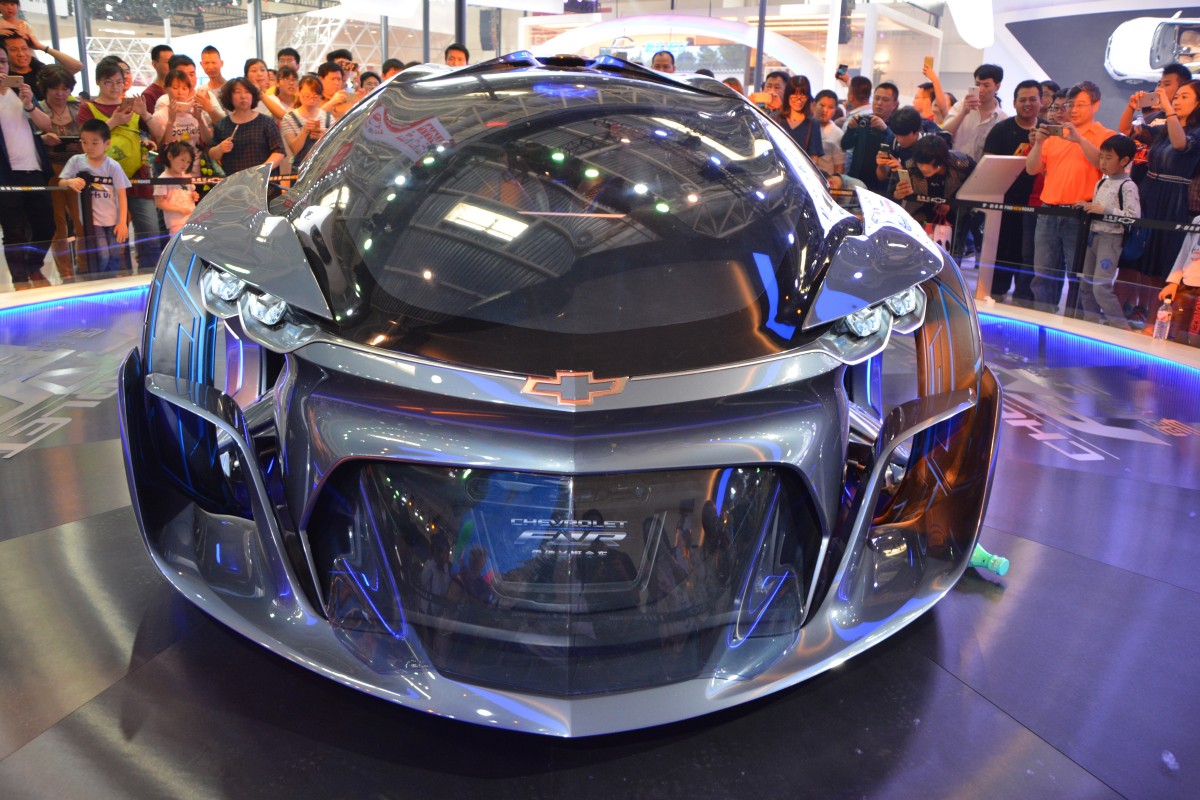
New Vehicle Forms: The removal of the steering wheel and controls will lead to completely redesigned vehicle interiors, favoring communal seating, sleeping pods, and mobile office spaces tailored for travel comfort rather than driver operation.
Pillar 5: The Roadblocks and the Future Outlook
Despite the clear benefits, achieving widespread, reliable Level 5 autonomy faces immense engineering, regulatory, and public acceptance hurdles.
A. The Edge Case Problem
Solving the last 1% of difficult driving scenarios remains the greatest technical hurdle.
-
Unstructured Environments: Autonomous systems perform well on well-mapped highways but struggle with unpredictable, unstructured scenarios, such as an un-signposted construction zone, complex multi-way intersections without clear markings, or a police officer directing traffic manually.
-
Adverse Weather: Extreme weather conditions like heavy snow, dense fog, or torrential rain can severely degrade the performance of Lidar and cameras, requiring highly robust, redundant systems to maintain safety assurance.
-
Social Nuances: Human driving involves subtle, non-verbal communication (e.g., waving someone through, eye contact). Teaching an AI to interpret and respond appropriately to these subtle social signals is proving to be immensely difficult.
B. Regulatory and Public Acceptance
The societal shift requires trust and harmonized legal frameworks.
-
Lack of Harmonized Regulation: Different countries, and even different states or provinces, have inconsistent regulations regarding testing, deployment, and liability for autonomous vehicles, slowing down global rollout and commercialization.
-
Public Trust and Anxiety: Despite proven safety statistics in test fleets, a significant portion of the public remains skeptical and anxious about riding in a vehicle without human control, demanding flawless reliability before widespread adoption can occur.
-
Mandatory Training and Certification: Regulatory bodies need to establish clear standards for the testing, validation, and over-the-air updating of autonomous software systems, ensuring that safety claims are rigorously and continuously verified.
C. The Future: From Robotaxis to Logistics
The most immediate commercial deployments are focusing on controlled environments.
-
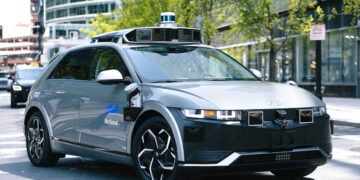
Robotaxi Fleets: The most common early commercial strategy is launching small, geo-fenced fleets of Level 4 autonomous taxis in dense urban centers, where the ODD is highly controlled and the demand for shared, optimized rides is high.
-
Autonomous Trucking: Long-haul highway freight (Level 4 on open, limited-access highways) is a highly lucrative and technically simpler application, offering massive savings in labor costs and addressing chronic driver shortages in the logistics industry.
-
The Shift to Software: Vehicle manufacturers are rapidly transitioning from being traditional hardware companies to becoming software-first mobility providers, recognizing that the AI and the data pipeline are the core intellectual property of the autonomous era.
Conclusion: The Inevitable Digital Driver

Autonomous driving is not merely a futuristic concept but a rapidly materializing technology set to fundamentally redefine the safety and efficiency of global travel.
The core promise of autonomy lies in systematically removing human error, which is overwhelmingly the single largest contributor to road accidents and fatalities worldwide.
Vehicles achieve this new safety standard through a complex, redundant sensor fusion system that integrates Lidar, Radar, and high-resolution cameras for robust, real-time environmental awareness.
The key technological leap is the shift toward Level 4 autonomy, which eliminates the dangerous human handover dilemma by making the machine fully responsible within its designated operational domain.
Beyond safety, autonomous technology promises significant societal benefits by eliminating traffic congestion through consistent driving and reclaiming hours of productive time currently lost to the act of commuting.
Despite the promise, the industry must still conquer complex engineering challenges, including robust performance in adverse weather and finding a reliable solution for the millions of unpredictable “edge cases” encountered on public roads.
Ultimately, the widespread adoption of the digital driver will transform our cities, free up human time, and establish a statistically safer, more efficient transportation network than humanity has ever experienced.