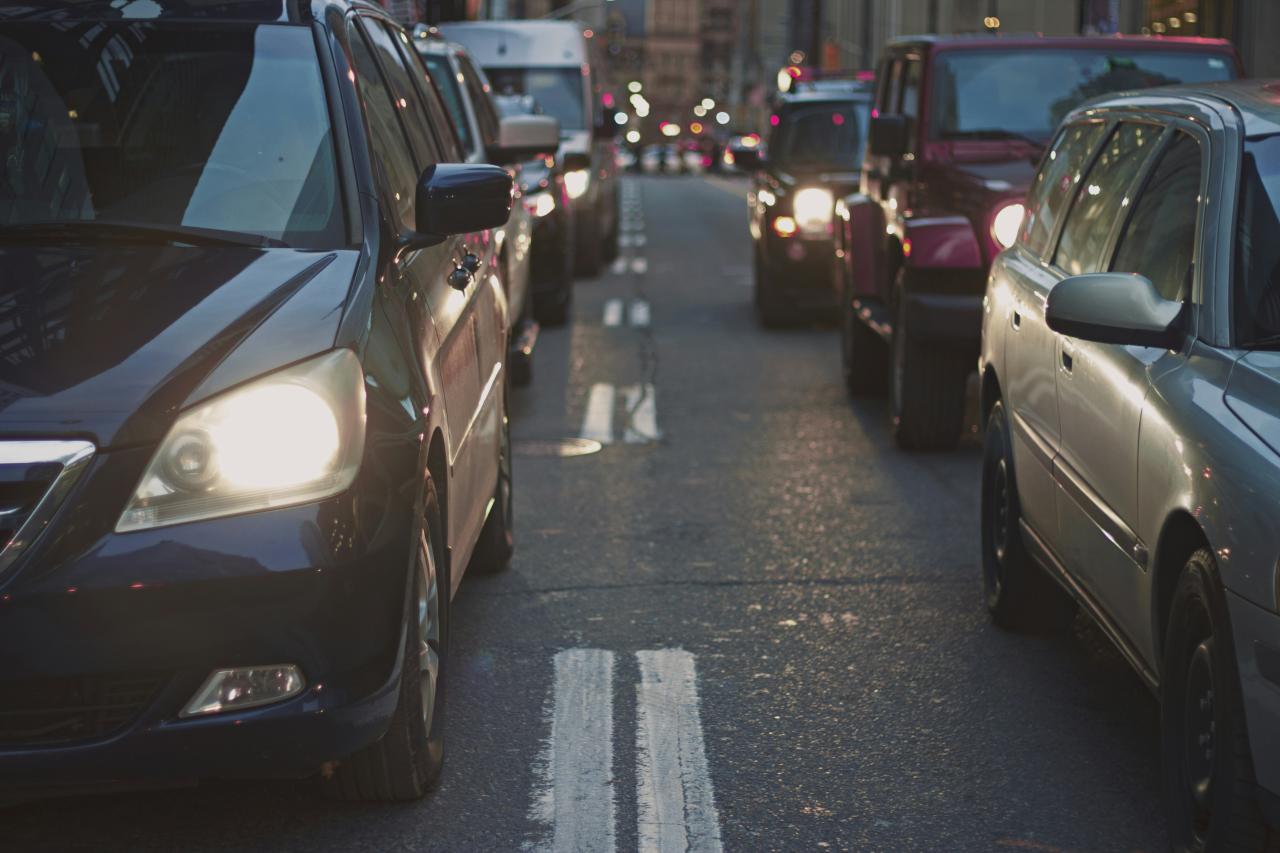
The modern urban landscape is currently facing a massive crisis as traditional traffic management systems struggle to keep up with the explosive growth of city populations.
For decades, we have relied on static timers and manual observations to control the flow of millions of vehicles across complex street networks.
This outdated approach has led to staggering economic losses, increased pollution, and a significant decline in the overall quality of life for daily commuters.
However, a new digital dawn is breaking as Artificial Intelligence begins to take the wheel of our city’s infrastructure.
By leveraging vast amounts of real-time data from sensors, cameras, and GPS devices, AI is transforming how we navigate the concrete jungle.
This technology does not just react to traffic jams; it predicts them before they even happen, allowing for proactive adjustments that keep the city breathing.
We are moving away from the frustration of “red-light marathons” toward a future where the urban pulse is synchronized by intelligent algorithms.
Understanding the mechanics of AI-powered traffic management is essential for grasping how the smart cities of tomorrow will function in harmony with their citizens.
The Technical Backbone of Smart Traffic
To solve congestion, AI needs to “see” and “hear” everything that happens on the road in real-time.
This requires a massive network of hardware and software working together to create a digital twin of the city’s traffic flow.
A. Data Collection from Edge Devices
High-definition cameras and IoT sensors are placed at every major intersection to count vehicles and identify types of transport.
These devices also monitor pedestrian movements and cyclists to ensure that the entire road ecosystem is accounted for.
B. Cloud-Based Big Data Processing
The raw data is sent to central servers where machine learning models analyze patterns across the whole city simultaneously.
This allows the system to understand how a bottleneck in one neighborhood will affect traffic five miles away in thirty minutes.
C. Adaptive Signal Control Technology
Instead of fixed timers, AI changes traffic lights based on the actual number of cars waiting at the line.
If one side of the road is empty, the system instantly gives the green light to the busier side, reducing unnecessary idling.
D. Historical Pattern Analysis
The AI studies years of traffic data to understand how weather, holidays, and local events impact the flow of commuters.
This predictive power allows city planners to prepare for high-volume days with surgical precision.
Reducing Environmental Impact Through Intelligence
One of the greatest benefits of AI traffic management is the immediate reduction in carbon emissions and fuel consumption.
When cars spend less time stopping and starting, they burn significantly less energy and release fewer toxins into the air.
A. Minimizing the Stop-and-Go Effect
Frequent acceleration is the most fuel-intensive part of driving, especially for heavy trucks and buses.
AI creates “green waves” where a vehicle hitting one green light is statistically likely to hit the next five, keeping momentum constant.
B. Lowering Urban Heat Islands
Idling engines in massive traffic jams contribute significantly to the rising temperatures in downtown areas.
By keeping traffic moving, AI helps maintain a cooler and more breathable environment for urban residents.
C. Promoting Public Transit Efficiency
AI can give “signal priority” to public buses and emergency vehicles, ensuring they are never stuck in civilian gridlock.
When buses are faster and more reliable, more people are willing to leave their private cars at home.
The Economic Benefits of Efficient Flow
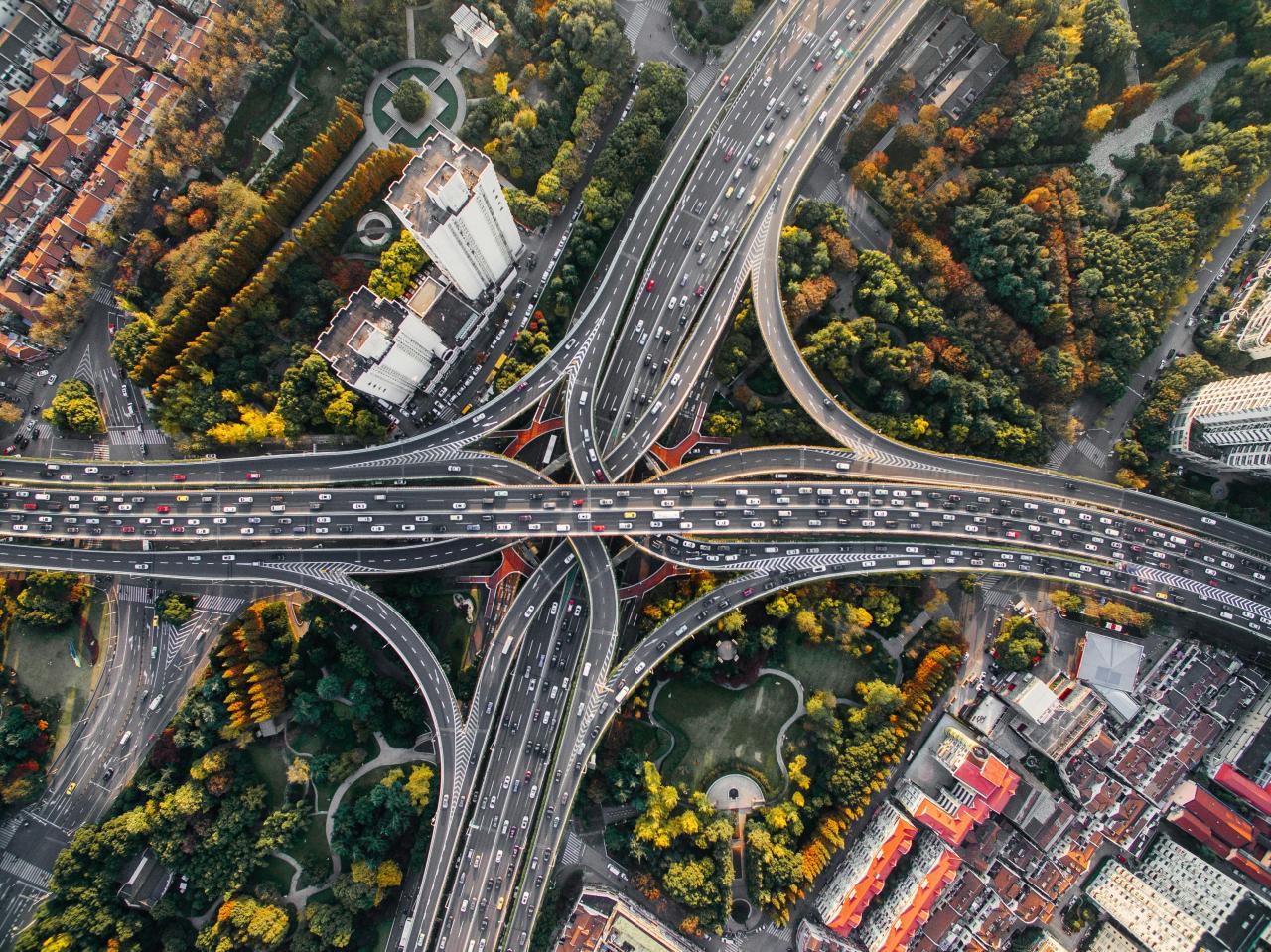
Time is money, and the hours wasted in traffic jams represent a direct drain on the global economy every single day.
AI mobility solutions help recover these lost hours, boosting productivity and reducing the cost of logistics.
A. Streamlining Last-Mile Delivery
E-commerce relies on delivery vans reaching their destinations quickly and without delays.
AI-optimized routes and signals help delivery companies complete more drops per hour, lowering the cost of shipping for everyone.
B. Reducing Vehicle Wear and Tear
Constant braking and idling are incredibly hard on a vehicle’s engine and braking system.
By smoothing out the journey, AI extends the lifespan of both private cars and commercial fleets, saving owners money on maintenance.
C. Increasing Labor Productivity
Commuters who arrive at work without the stress of a two-hour traffic jam are generally more focused and productive.
Recovering just twenty minutes of a daily commute can add up to dozens of extra productive hours per person every year.
Safety and Incident Management
AI doesn’t just manage the “normal” flow of traffic; it is a vital tool for responding to accidents and emergencies.
Rapid detection of an incident can prevent secondary crashes and save lives by clearing a path for paramedics.
A. Automatic Incident Detection
Computer vision algorithms can spot a stalled vehicle or a collision within seconds of it happening.
The system automatically alerts emergency services and adjusts nearby signs to divert traffic away from the danger zone.
B. Dynamic Rerouting for Commuters
When a major road is blocked, AI pushes real-time updates to navigation apps like Google Maps or Waze.
This prevents a “bottleneck” effect where thousands of cars blindly drive into a closed-off area.
C. Pedestrian Safety Enhancements
Smart intersections can detect if a person is still crossing the street and hold the red light for turning vehicles.
This technology is a lifesaver for the elderly and children who may need more time to navigate busy roads.
The Integration with Autonomous Fleets
As self-driving cars become more common, the synergy between the vehicle and the infrastructure will become even more powerful.
The road itself will talk to the cars, creating a perfectly choreographed dance of metal and data.
A. Vehicle-to-Infrastructure (V2I) Communication
Autonomous cars will receive signals from the traffic light telling them exactly what speed to maintain to avoid stopping.
This removes the “human reaction time” delay, allowing cars to move through intersections with much tighter spacing.
B. Optimized Lane Management
AI can change the direction of lanes during peak hours (reversible lanes) based on real-time demand.
This effectively doubles the capacity of a road without the need to spend billions on new construction.
C. Smart Curb Management
As ride-sharing increases, the “curb” becomes the most valuable real-time asset in the city.
AI manages where robotaxis can pick up and drop off passengers to ensure they don’t block the flow of active traffic.
Privacy and Ethical Considerations
Implementing a city-wide surveillance and data collection system raises important questions about the privacy of citizens.
It is crucial that smart cities balance efficiency with the protection of individual rights.
A. Anonymization of Vehicle Data
Modern AI systems are designed to track “objects” rather than specific individuals or license plates.
By blurring sensitive information at the edge, the system can improve traffic without knowing exactly who is in which car.
B. Transparency in Algorithmic Logic
Citizens need to know how the AI is making decisions about who gets the green light first.
Open-source components and public audits help build trust between the government and the people living in the city.
C. Data Security and Hacking Protection
Protecting the traffic grid from cyberattacks is a matter of national security.
Robust encryption and decentralized processing are used to ensure that a hacker cannot turn every light green at once.
Overcoming the Implementation Barriers
Moving from a traditional city to a smart city is a massive financial and logistical undertaking.
Many cities struggle with the high cost of upgrading ancient hardware and installing thousands of miles of fiber-optic cables.
A. Phased Integration Strategies
Cities don’t need to change everything overnight; they can start by optimizing the most congested corridors first.
This allows the system to prove its value and generate savings that can fund future expansions.
B. Public-Private Partnerships
Technology companies often partner with local governments to provide the software and hardware in exchange for data or service fees.
This reduces the upfront burden on taxpayers while accelerating the adoption of life-saving technology.
C. Interoperability Standards
For AI traffic management to work, different brands of sensors and software must be able to talk to each other.
International standards are being developed to ensure that a city isn’t “locked in” to a single expensive vendor forever.
Conclusion
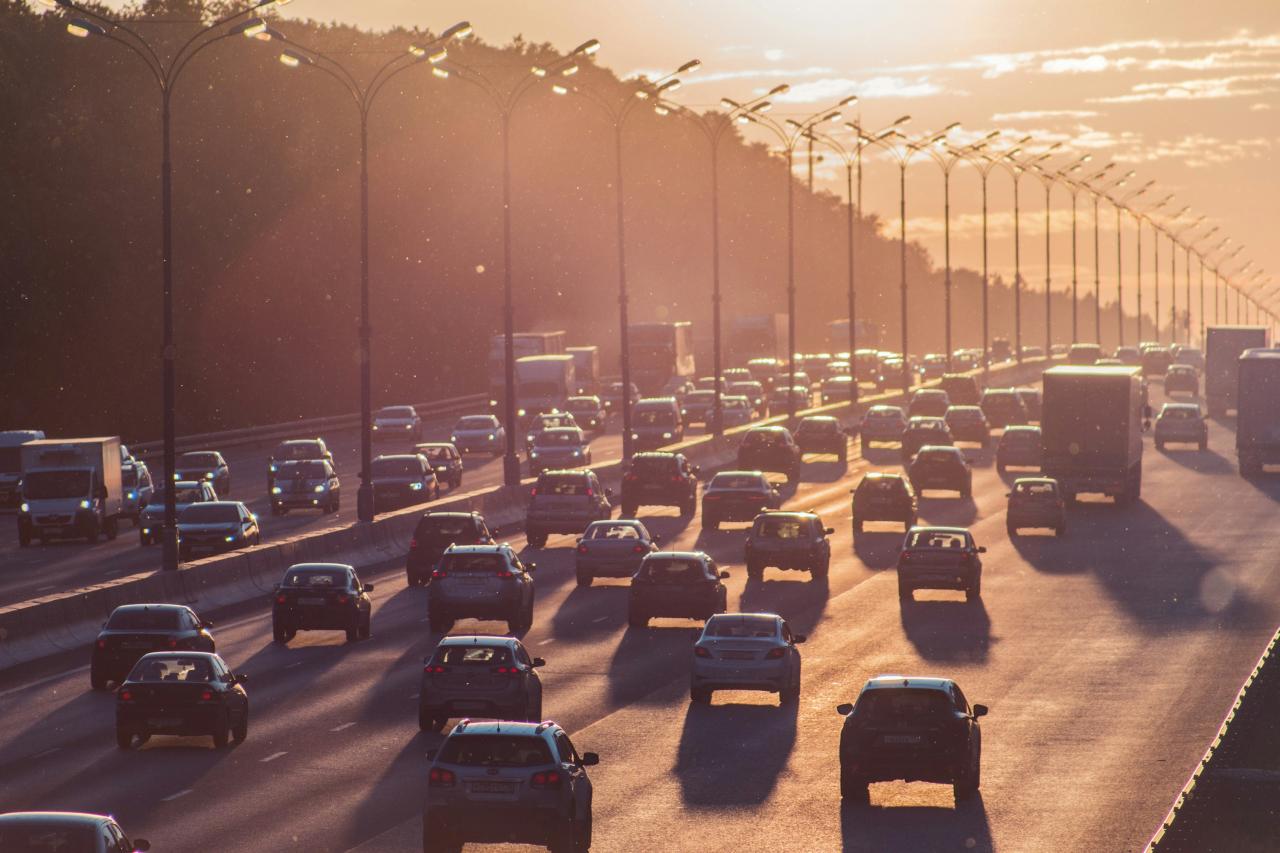
The dream of a city without traffic jams is no longer a distant fantasy.
We have reached a point where data is as important as the asphalt on the road.
Artificial Intelligence provides the only realistic way to manage the massive complexity of modern urban life.
Every second saved at a red light is a victory for the economy and the environment.
The transition to smart traffic management will define the success of the world’s greatest cities.
Safety and efficiency are no longer at odds thanks to the precision of machine learning algorithms.
Our children will look back at static traffic lights as a primitive relic of a slower age.
The future of the city is moving, and it is powered by the intelligence of the digital mind.