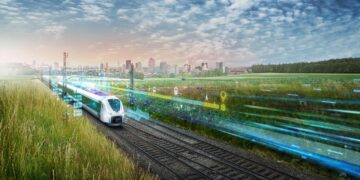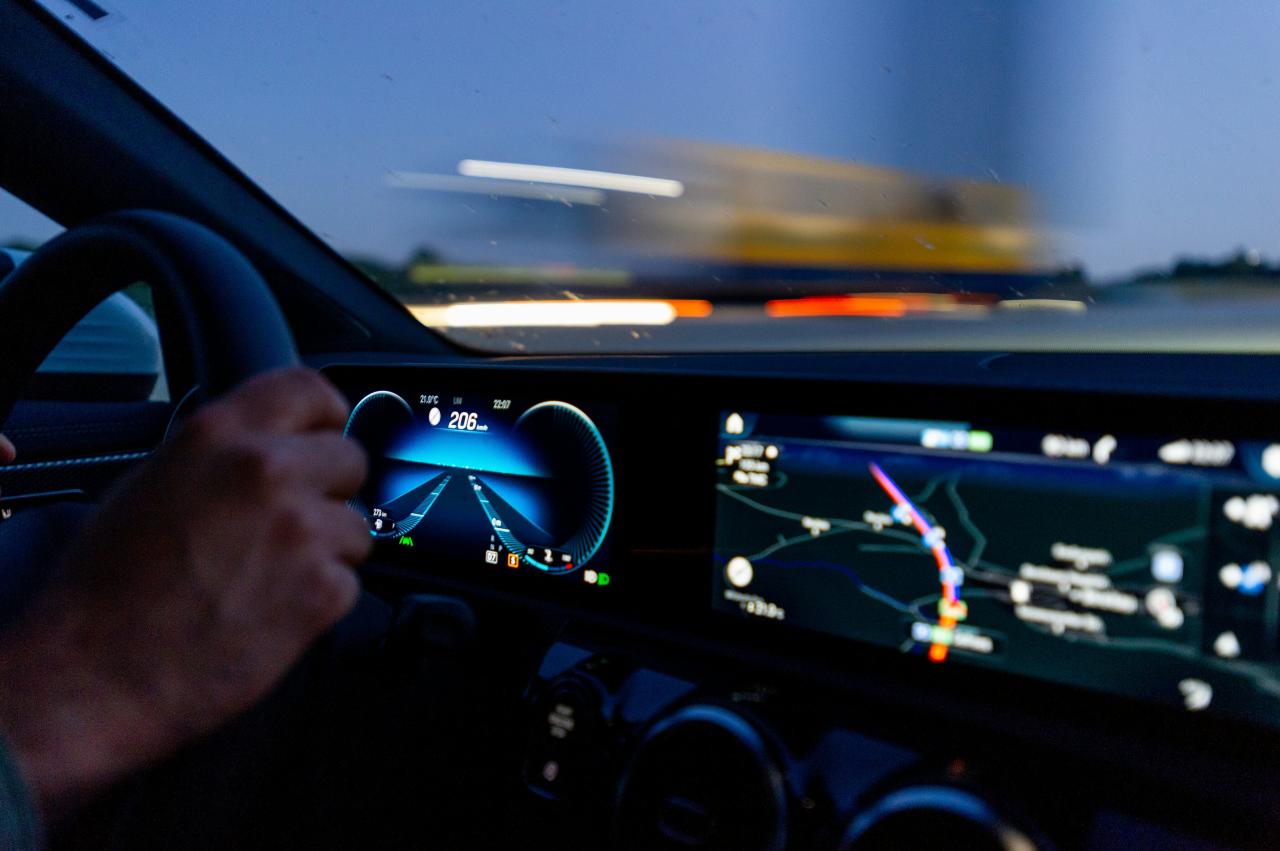
The concept of a car that drives itself was once limited to the imaginative worlds of classic science fiction movies and futuristic novels.
Today, we are standing on the brink of a massive technological shift that is turning these bold dreams into a concrete daily reality.
Artificial Intelligence is the invisible driver behind this revolution, processing billions of data points every second to ensure safe travel on our roads.
As urban populations grow and traffic congestion becomes a global crisis, the need for smarter and more efficient transportation has never been more urgent.
Autonomous vehicles promise to reduce human error, which is currently responsible for over ninety percent of all serious road accidents worldwide.
This transition isn’t just about replacing a steering wheel; it is about completely reimagining how humans, goods, and services move across the globe.
By integrating advanced sensors, machine learning, and high-speed connectivity, AI is creating a transportation ecosystem that is faster, safer, and much cleaner.
Understanding the intricate layers of this technology is crucial for anyone interested in the future of mobility and the evolution of our smart cities.
The Core Technology: How AI Actually Drives
An autonomous vehicle is essentially a powerful supercomputer on wheels that never gets tired or distracted.
The AI system follows a continuous loop of sensing, perceiving, planning, and acting to navigate through complex traffic environments.
A. Sensor Fusion and Data Acquisition
Self-driving cars use a combination of LiDAR, Radar, and high-resolution cameras to see the world in three hundred and sixty degrees.
AI merges these different data streams into a single, coherent picture of the surrounding environment to avoid blind spots.
B. Computer Vision and Object Recognition
Through deep learning, the car is trained to distinguish between a pedestrian, a cyclist, and a simple inanimate object like a trash can.
This allows the vehicle to predict the likely behavior of other road users, such as a child who might suddenly run into the street.
C. Path Planning and Decision Making
Once the environment is mapped, the AI must decide the most efficient and safest path to reach its destination.
This involves calculating vehicle speed, lane changes, and the precise timing for braking or accelerating in real-time.
D. Actuator Control and Execution
The final step is sending digital commands to the mechanical parts of the car, such as the steering rack and the brake system.
These actions are performed with a level of precision that far exceeds the physical capabilities of even the most skilled human driver.
The Five Levels of Vehicle Autonomy
The Society of Automotive Engineers has defined a specific scale to help us understand the stages of self-driving development.
Most modern cars already feature Level 1 or Level 2 technology, but the jump to Level 5 is where the true magic happens.
A. Level 1 and 2: Driver Assistance
These levels include features like adaptive cruise control and lane-keeping assistance where the human still has total control.
The AI acts as a secondary safety net rather than the primary operator of the vehicle.
B. Level 3: Conditional Automation
In Level 3, the car can manage most aspects of driving under specific conditions, such as on a clear and open highway.
However, the human driver must be ready to take over the controls instantly if the AI encounters a situation it cannot handle.
C. Level 4: High Automation
These vehicles can operate without any human intervention within a defined geographical area, often referred to as “geofencing.”
We are already seeing Level 4 “robotaxis” being tested in major cities like Phoenix, San Francisco, and Beijing.
D. Level 5: Full Automation
This is the ultimate goal where a vehicle can drive anywhere a human can, regardless of weather conditions or road types.
Level 5 cars will likely have no steering wheels or pedals, looking more like comfortable mobile lounges than traditional automobiles.
Safety Benefits and Reducing Human Error
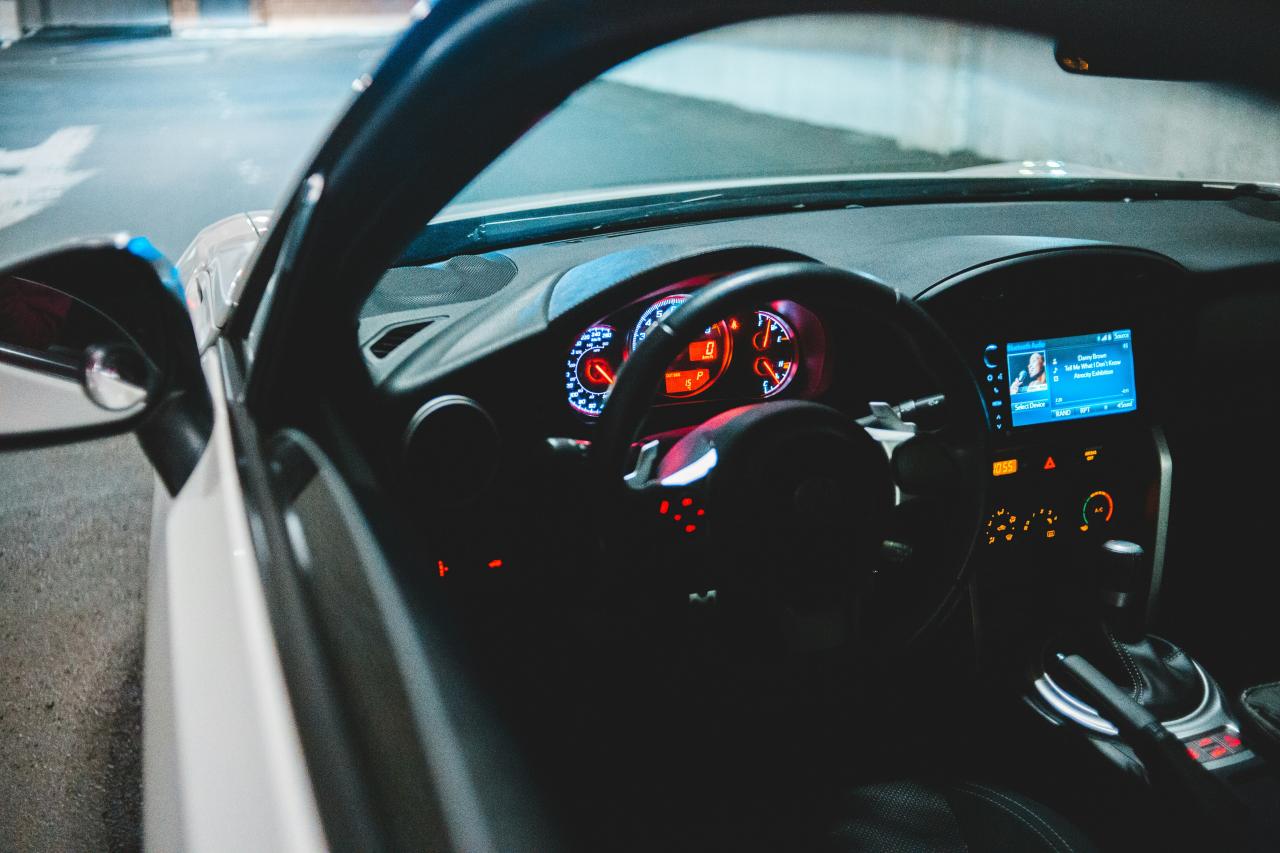
The most significant argument for AI mobility is the potential to save millions of lives by eliminating the common mistakes humans make.
Human drivers are often prone to fatigue, emotional stress, and dangerous distractions like mobile phones or intoxicants.
A. Eliminating Distracted Driving
AI never gets bored and it never feels the need to check a text message while moving at eighty miles per hour.
By staying focused one hundred percent of the time, self-driving systems can react much faster to sudden hazards.
B. V2V Communication Systems
Autonomous cars can “talk” to each other through Vehicle-to-Vehicle (V2V) communication technology.
If a car three blocks ahead slams on its brakes, your car will know instantly and begin slowing down before you even see the hazard.
C. Standardized Traffic Behavior
AI drivers follow traffic laws perfectly and do not suffer from road rage or aggressive driving tendencies.
This leads to a much smoother flow of traffic, which significantly reduces the likelihood of “fender benders” and highway pile-ups.
The Impact on Urban Infrastructure
Self-driving cars will eventually change the very shape of our cities and how we use our precious urban land.
If cars can drive themselves and park in distant locations, we may no longer need massive parking lots in our city centers.
A. Repurposing Parking Spaces
As people move toward “mobility-as-a-service” models, the demand for private car ownership and city parking will likely drop.
This land can be reclaimed for public parks, affordable housing, or wider pedestrian walkways.
B. Smart Traffic Lights and Intersections
AI-powered infrastructure can communicate with autonomous fleets to optimize traffic light timing in real-time.
This could eventually lead to “virtuous intersections” where cars never have to stop because they are perfectly synchronized with each other.
C. Enhanced Public Transportation
Autonomous shuttles can provide “last-mile” connectivity, picking people up at their homes and dropping them at major transit hubs.
This makes public transport much more convenient and accessible for everyone, including the elderly and those with disabilities.
Environmental Sustainability and Efficiency
AI mobility is closely tied to the rise of electric vehicles (EVs), creating a synergy that is great for the environment.
A self-driving car can be programmed to drive in the most energy-efficient manner possible, maximizing every kilowatt of battery power.
A. Optimized Acceleration and Braking
Aggressive driving wastes a lot of energy, but AI can maintain a perfectly steady speed to conserve fuel or electricity.
This precision can extend the range of an electric vehicle by up to twenty percent.
B. Platooning for Aerodynamics
Autonomous trucks can travel in “platoons,” following each other very closely at high speeds to reduce wind resistance.
This technique significantly lowers fuel consumption for the logistics industry and reduces overall carbon emissions.
C. Smart Grid Integration
Autonomous fleets can serve as mobile batteries for the city’s power grid when they are not in use.
They can charge during off-peak hours when electricity is cheap and discharge power back to the grid during high-demand periods.
Challenges and Ethical Dilemmas
Despite the rapid progress, there are still major hurdles that the industry must overcome before self-driving cars become the standard.
Technical, legal, and ethical questions remain at the center of the debate regarding AI in transportation.
A. The “Trolley Problem” and Ethics
In a split-second emergency, how should an AI decide between two unavoidable accidents?
Programming ethics into a machine is a complex task that requires global cooperation between philosophers, engineers, and lawmakers.
B. Cybersecurity and Hacking Risks
Because these vehicles are connected to the internet, they are potential targets for malicious hackers.
Ensuring that a car’s steering or braking system cannot be hijacked remotely is the top priority for automotive security experts.
C. Legal Liability in Accidents
If a self-driving car crashes, who is responsible: the owner, the software developer, or the sensor manufacturer?
Insurance companies and courts are currently struggling to create new frameworks to handle these unprecedented legal scenarios.
The Future of the Passenger Experience
When you no longer have to look at the road, the interior of a car becomes a whole new type of living space.
We are moving from “driving” to “riding,” which opens up endless possibilities for entertainment and productivity.
A. The Mobile Office Concept
Business travelers can turn their morning commute into a highly productive work session.
With high-speed internet and swivel seats, the car becomes a private boardroom on wheels.
B. On-the-Go Entertainment
Families can watch movies, play video games, or engage in virtual reality experiences while traveling to their vacation destination.
The car effectively becomes a mobile cinema or gaming hub.
C. Wellness and Relaxation
Some concept cars include massage seats and mood lighting designed to help passengers destress after a long day at work.
Your commute could become the most relaxing part of your day rather than the most stressful.
Conclusion
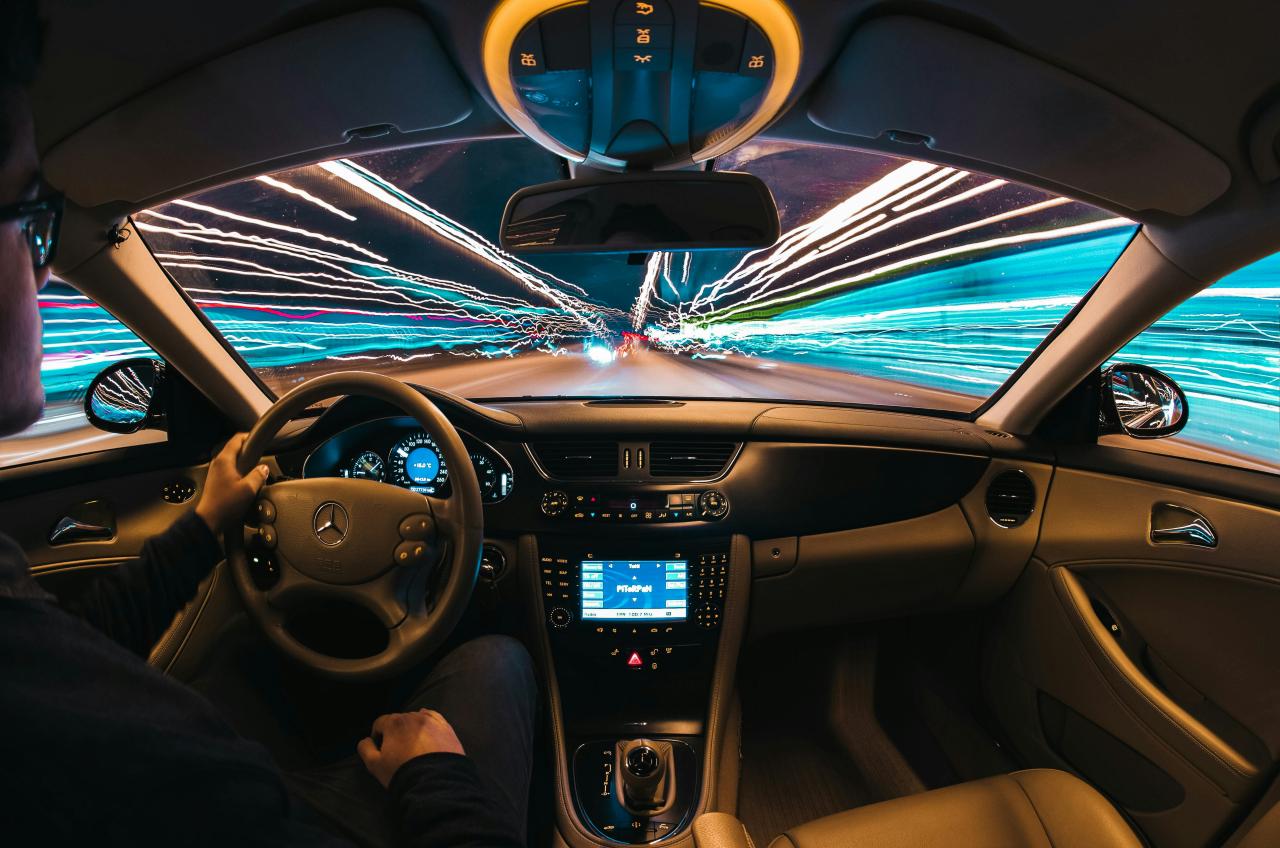
The arrival of autonomous mobility is a turning point in human history.
We are moving toward a world where transportation is a service rather than an expensive burden.
Artificial Intelligence is the key that will unlock safer and more efficient cities for everyone.
The transition will take time, but the benefits for the planet and our safety are worth the wait.
No longer will we waste hours every week stuck in frustrating traffic jams.
Instead, we will reclaim our time for the things that truly matter in our lives.
The road ahead is paved with data, sensors, and the incredible power of machine learning.
The future of driving is finally here, and it doesn’t require us to hold the wheel.