The automotive landscape is experiencing an unprecedented transformation as electric powertrains infiltrate the premium sedan segment with remarkable velocity. Traditional luxury marques, once skeptical of battery-electric technology, now champion electrification as the cornerstone of their future product portfolios. This seismic shift represents more than mere compliance with environmental regulations—it signals a fundamental reimagining of what defines automotive luxury in the modern era.
The Transformation of Premium Automotive Excellence
For decades, luxury sedans were synonymous with powerful internal combustion engines, refined mechanical engineering, and the distinctive growl of multi-cylinder powerplants. However, contemporary affluent consumers increasingly prioritize technological sophistication, environmental consciousness, and cutting-edge innovation over traditional performance metrics. This paradigm shift has compelled established manufacturers to redirect substantial resources toward electric vehicle development, resulting in an impressive array of battery-powered luxury sedans that rival or surpass their gasoline-powered predecessors across multiple dimensions.
The transition hasn’t occurred overnight. Premium automotive brands initially approached electrification cautiously, concerned about range limitations, charging infrastructure inadequacies, and whether their discerning clientele would embrace vehicles lacking traditional engine configurations. These apprehensions have largely dissipated as battery technology advanced exponentially, charging networks expanded globally, and early adopters demonstrated enthusiastic acceptance of electric luxury vehicles.
Performance Redefined Through Electric Propulsion

Modern electric luxury sedans deliver performance characteristics that would have seemed fantastical merely a decade ago. Instant torque delivery inherent to electric motors enables acceleration figures that embarrass many dedicated sports cars. Several flagship electric sedans now achieve zero-to-sixty miles per hour sprints in under three seconds—performance previously reserved for exotic supercars commanding significantly higher price points.
Beyond straight-line acceleration, electric powertrains fundamentally alter vehicle dynamics through strategic weight distribution and sophisticated torque vectoring capabilities. Battery packs positioned low in the chassis lower the center of gravity substantially, enhancing cornering stability and reducing body roll during aggressive maneuvers. Multi-motor configurations enable precise power distribution to individual wheels, creating handling characteristics that adapt seamlessly to varying road conditions and driving situations.
The absence of traditional transmission components eliminates power delivery interruptions, creating remarkably smooth and linear acceleration throughout the speed range. This seamless power delivery contributes significantly to the refined driving experience luxury consumers expect, while simultaneously providing exhilarating performance when desired.
Battery Technology Breakthroughs Enabling Practical Range
Early electric vehicles suffered from range anxiety—the persistent concern about depleting battery charge before reaching a destination or charging facility. Contemporary luxury electric sedans have effectively neutralized this concern through substantial battery capacity improvements and enhanced energy efficiency measures.
Premium electric sedans now routinely offer real-world ranges exceeding three hundred miles on full charges, with several models approaching or surpassing four hundred miles under optimal conditions. These figures equal or exceed the practical range of many gasoline-powered luxury sedans, particularly when accounting for typical daily driving patterns and the convenience of home charging capabilities.
Advanced battery management systems optimize energy utilization through predictive algorithms that account for route topology, traffic conditions, climate control requirements, and driving behavior. These intelligent systems maximize available range while preserving battery longevity through careful thermal management and charge cycling protocols.
Emerging solid-state battery technology promises even greater advances in the near future. These next-generation energy storage solutions offer substantially higher energy density, faster charging capabilities, enhanced safety characteristics, and extended operational lifespans compared to current lithium-ion configurations. Several luxury manufacturers have announced plans to integrate solid-state batteries into production vehicles within the next few years, potentially revolutionizing electric vehicle practicality once again.
Charging Infrastructure Evolution Supporting Premium Adoption
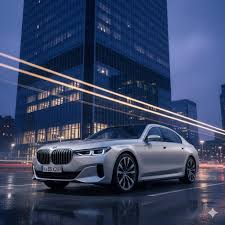
The proliferation of high-speed charging networks has been instrumental in facilitating luxury electric sedan adoption. Ultra-fast charging stations capable of delivering two hundred kilowatts or more enable meaningful range recovery during brief stops—often adding one hundred miles of range in approximately ten to fifteen minutes.
Premium automotive brands have invested heavily in dedicated charging networks specifically designed to serve their customers. These exclusive facilities often feature luxury amenities including climate-controlled lounges, premium refreshments, concierge services, and business facilities, transforming charging stops from potential inconveniences into opportunities for relaxation or productivity.
Home charging solutions have evolved significantly as well. Level two charging equipment enables overnight replenishment of battery capacity, allowing owners to begin each day with full range regardless of previous day usage. Smart charging systems integrate with home energy management platforms, optimizing charging schedules to capitalize on off-peak electricity rates and renewable energy availability.
Interior Innovation Amplified by Electric Architecture
Electric vehicle platforms provide designers unprecedented freedom in cabin layout and feature integration. The absence of transmission tunnels, exhaust systems, and conventional engine compartments creates opportunities for more spacious interiors and innovative packaging solutions.
Luxury electric sedans exploit this architectural flexibility to create remarkably spacious passenger compartments despite often compact exterior dimensions. Flat floor panels eliminate traditional foot well intrusions, enhancing rear passenger comfort significantly. Some manufacturers have introduced lounge-like seating configurations with reclining capabilities and extended legroom that would be impossible in traditional sedan architectures.
The substantial electrical capacity inherent to battery-electric platforms enables power-hungry features without compromise. Massaging seats with numerous adjustment motors, multiple large display screens, premium audio systems with dozens of speakers, ambient lighting with thousands of individual elements, and advanced climate control systems operate without concerns about alternator capacity or parasitic engine load.
Silent electric propulsion amplifies the importance of cabin refinement. Without engine noise to mask other sounds, manufacturers invest heavily in acoustic engineering—using multilayer glass, sound-absorbing materials, and active noise cancellation technologies to create exceptionally quiet interiors that rival dedicated luxury limousines.
Autonomous Capabilities Accelerated by Electric Platforms
Electric vehicle architectures inherently support advanced driver assistance systems and autonomous capabilities more effectively than conventional vehicles. The sophisticated electrical systems required for electric propulsion seamlessly integrate with the sensors, processors, and actuators necessary for semi-autonomous and autonomous driving functions.
Luxury electric sedans frequently serve as technology showcases, debuting the latest autonomous capabilities before broader market deployment. Features such as hands-free highway driving, automated parking, traffic jam assistance, and predictive cruise control that anticipates road conditions ahead have become increasingly common in premium electric offerings.
The computational requirements for processing inputs from multiple cameras, radar units, lidar sensors, and ultrasonic detectors demand substantial electrical power and generate considerable heat—challenges more easily addressed in purpose-designed electric vehicle architectures with robust cooling systems and generous electrical capacity.
Several luxury manufacturers are developing higher levels of autonomy specifically for their electric sedan portfolios, recognizing that affluent consumers particularly value time-saving technologies that enable productivity or relaxation during commutes and routine journeys.
Sustainability Beyond Zero Emissions
While eliminating tailpipe emissions represents the most visible environmental benefit of electric luxury sedans, leading manufacturers are extending sustainability efforts throughout the entire vehicle lifecycle. This comprehensive approach resonates strongly with environmentally conscious luxury consumers who increasingly scrutinize corporate environmental commitments.
Production processes are being transformed to reduce carbon footprints substantially. Factories manufacturing electric luxury sedans increasingly utilize renewable energy sources, implement closed-loop water systems, and minimize waste through advanced manufacturing techniques. Some facilities have achieved carbon neutrality through a combination of emission reductions and offset programs.
Interior materials increasingly incorporate sustainable alternatives to traditional luxury components. Recycled plastics, responsibly sourced wood, synthetic leather alternatives, and natural fibers provide premium aesthetic and tactile experiences while reducing environmental impact. Several manufacturers now offer completely leather-free interior options that appeal to vegan consumers without compromising perceived luxury.
Battery recycling programs are being established to recover valuable materials when batteries reach end-of-life status. These initiatives reduce raw material extraction requirements and ensure responsible disposal of battery components, addressing concerns about the long-term environmental implications of electric vehicle adoption.
The Economic Proposition of Luxury Electric Ownership
While luxury electric sedans command premium purchase prices, the total cost of ownership calculation often favors electric vehicles over comparable gasoline-powered alternatives when accounting for fuel savings, reduced maintenance requirements, and favorable tax incentives available in many jurisdictions.
Electricity costs substantially less per mile than gasoline in most regions, generating significant savings over the vehicle ownership period. Home charging during off-peak hours amplifies these savings further. Luxury electric sedan owners typically spend a fraction of what they would on premium gasoline for equivalent mileage.
Maintenance requirements decrease dramatically with electric powertrains. The absence of oil changes, transmission services, spark plug replacements, emission system repairs, and numerous other combustion engine maintenance items substantially reduces ownership costs and eliminates the inconvenience of frequent service appointments.
Many governments offer financial incentives for electric vehicle purchases, including tax credits, rebates, reduced registration fees, and favorable financing terms. Some regions provide additional benefits such as high-occupancy vehicle lane access regardless of passenger count, free parking in premium locations, and exemption from congestion charges in urban areas.
Residual values for luxury electric sedans have strengthened considerably as the used electric vehicle market matures and consumer acceptance broadens. Early concerns about battery degradation affecting resale values have largely been alleviated as real-world data demonstrates that modern battery packs retain substantial capacity even after years of service.
Brand Heritage Meets Electric Innovation
Established luxury automotive brands face the delicate challenge of honoring their heritage while embracing electrification. Successful manufacturers have managed to preserve brand identity and design language while incorporating electric powertrains and associated technologies.
Traditional luxury marques leverage their expertise in craftsmanship, materials, and refinement to differentiate their electric offerings from newer entrants lacking this heritage. Hand-finished interior details, premium material selections, meticulous assembly processes, and decades of acoustic engineering experience create tangible quality differences that justify premium pricing.
Some manufacturers have introduced electric-specific sub-brands or model lines to attract new customers while maintaining separation from traditional product portfolios. This strategy allows experimentation with more progressive design languages and technology implementations without alienating conservative customers who prefer conventional luxury vehicles.
Heritage brands also benefit from extensive dealer networks, established service infrastructure, and brand loyalty accumulated over decades. These advantages provide competitive differentiation against new electric vehicle manufacturers struggling to build customer support capabilities from scratch.
The Competitive Landscape Intensifies
The luxury electric sedan segment has become intensely competitive as both traditional manufacturers and new entrants vie for affluent consumers increasingly committed to electric vehicle adoption. This competition drives rapid innovation and improvement across all aspects of vehicle design and performance.
Established premium brands bring manufacturing expertise, supply chain maturity, and global scale advantages that enable rapid electric vehicle deployment. Their experience with luxury vehicle development ensures proper attention to refinement details that newer companies sometimes overlook in their focus on technology and performance.
Technology-focused newcomers often lead in software integration, user interface design, and over-the-air update capabilities. Their fresh approach to automotive design, unencumbered by legacy systems and traditional automotive conventions, sometimes produces innovative solutions that established manufacturers subsequently adopt.
This competitive dynamic benefits consumers through accelerated innovation, broader product selection, and competitive pricing pressure even in the luxury segment. The pace of improvement in electric luxury sedans has accelerated dramatically as manufacturers recognize the strategic importance of this segment to their long-term viability.
Future Trajectory of Electric Luxury Sedans
The transformation of luxury sedans from combustion-powered to electric propulsion appears irreversible and will likely accelerate in coming years. Several factors suggest electric luxury sedans will achieve market dominance within the current decade.
Regulatory pressures continue intensifying globally as governments implement stricter emission standards and announce timelines for combustion engine vehicle phase-outs. Luxury manufacturers are prioritizing electric vehicle development to ensure compliance and maintain access to key markets implementing aggressive environmental policies.
Consumer preferences are shifting decisively toward electric vehicles, particularly among younger affluent demographics who represent the future luxury customer base. These consumers often view combustion engine vehicles as outdated technology regardless of performance capabilities or brand prestige.
Technological advancements will continue improving electric vehicle capabilities while reducing costs. Battery energy density improvements, charging speed enhancements, and manufacturing scale efficiencies will further strengthen the electric vehicle value proposition relative to combustion alternatives.
Many luxury manufacturers have announced plans to transition their entire product portfolios to electric propulsion within the next decade, with some committing to even more aggressive timelines. These strategic commitments ensure continued investment in electric vehicle technology and product development while signaling reduced focus on combustion engine innovation.
Conclusion: A New Era of Automotive Luxury
The electric revolution transforming luxury sedans represents far more than simple powertrain substitution. It fundamentally redefines automotive luxury for a new era, prioritizing technological sophistication, environmental responsibility, and innovative user experiences alongside traditional luxury attributes of craftsmanship, performance, and refinement.
Contemporary electric luxury sedans successfully combine exhilarating performance, extended practical range, advanced autonomous capabilities, and sustainable operations within packages that maintain the aesthetic appeal and quality expectations associated with premium automobiles. As technology continues advancing and infrastructure expanding, the advantages of electric propulsion over conventional alternatives will only become more pronounced.
The manufacturers embracing this transformation most enthusiastically and investing most heavily in electric vehicle development will likely emerge as the luxury automotive leaders of tomorrow. Those clinging to combustion engine technology risk obsolescence as consumer preferences and regulatory requirements increasingly favor electric vehicles.
For discerning consumers seeking the ultimate combination of performance, technology, luxury, and environmental responsibility, electric luxury sedans now represent the definitive choice. The revolution has arrived, and the future of premium automotive transportation is unquestionably electric.